2nd Hand Golf Drivers: Budget Power Options
- 1.
Ever Felt Like Your Driver’s Got More Drama Than a Reality Show Reunion?
- 2.
Why Huntin’ for 2nd Hand Golf Drivers Is Like Thrift-Store Goldmining (But With Less Smell)
- 3.
“But Is It *Safe*?”—How to Dodge Duds, Dents, and Drivers with Identity Crises
- 4.
The Usual Suspects: Top 5 Drivers That Age Like Bourbon (Smooth, Strong, & Worth the Wait)
- 5.
Where to Dig: From Facebook Groups to Pro Shop Backrooms (Yes, That’s a Thing)
- 6.
Shaft Matters (More Than Your Swing Coach Wants to Admit)
- 7.
The 80/20 Rule in Golf—Wait, Isn’t That the One About Slices and Regret?
- 8.
“What About the 70/30 and 90% Rules?”—Decodin’ Golf’s Secret Handshakes
- 9.
What Clubs Should a 12-Year-Old Have? (Spoiler: Not a Full-Sized Driver)
- 10.
The Final Word (Before the Swing): How to Turn “Used” Into “Unbeatable”
Table of Contents
2nd hand golf drivers
Ever Felt Like Your Driver’s Got More Drama Than a Reality Show Reunion?
Picture this: you step up to the tee, driver in hand, eyes locked on that innocent dimpled sphere—*“This time. This time it flies straight.”* …and then—*CRACK!*—the ball takes off like it’s dodgin’ a subpoena, hookin’ left faster than a politician avoidin’ taxes. Sound familiar? Yeah. We’ve all been there. But here’s the kicker: sometimes the problem ain’t your swing—it’s that driver you inherited from your cousin Phil, who last played in… *checks notes*… the Bush administration. Maybe it’s time to swap that relic for somethin’ that *wants* to cooperate—like a quality 2nd hand golf drivers that still hums like a well-tuned muscle car, just without the $600 USD price tag. Because let’s be real: new ain’t always *better*—it’s just *shinier*. And on a dewy morn at the municipal course? Shiny don’t score birdies. Forgiveness does.
Why Huntin’ for 2nd Hand Golf Drivers Is Like Thrift-Store Goldmining (But With Less Smell)
The Hidden Logic Behind Buyin’ Used—Backed by Math & Mild Desperation
Here’s somethin’ wild: golf clubs lose ~35% of their value the *second* they leave the shop—like a new car, but with more plaid. Yet mechanically? A 2022 TaylorMade SIM2 Max driver that’s been babied (i.e., not used as a tent pole at Bonnaroo) performs *identically* to its brand-new twin. A 2024 GolfWRX survey found that 68% of recreational golfers couldn’t tell the difference between a pristine 2nd hand golf drivers and a fresh-off-the-rack model in blind testing. Why? Because physics don’t expire. Carbon fiber don’t rust. And a well-designed face stays springy—*if* it ain’t cracked (more on that later). So yeah: goin’ pre-loved ain’t “settlin’”—it’s *strategizin’*. You get tour-level tech, minus the guilt of maxin’ your credit card before brunch.
“But Is It *Safe*?”—How to Dodge Duds, Dents, and Drivers with Identity Crises
Red Flags, Green Lights, and the Mysterious Case of the Missing Serial Number
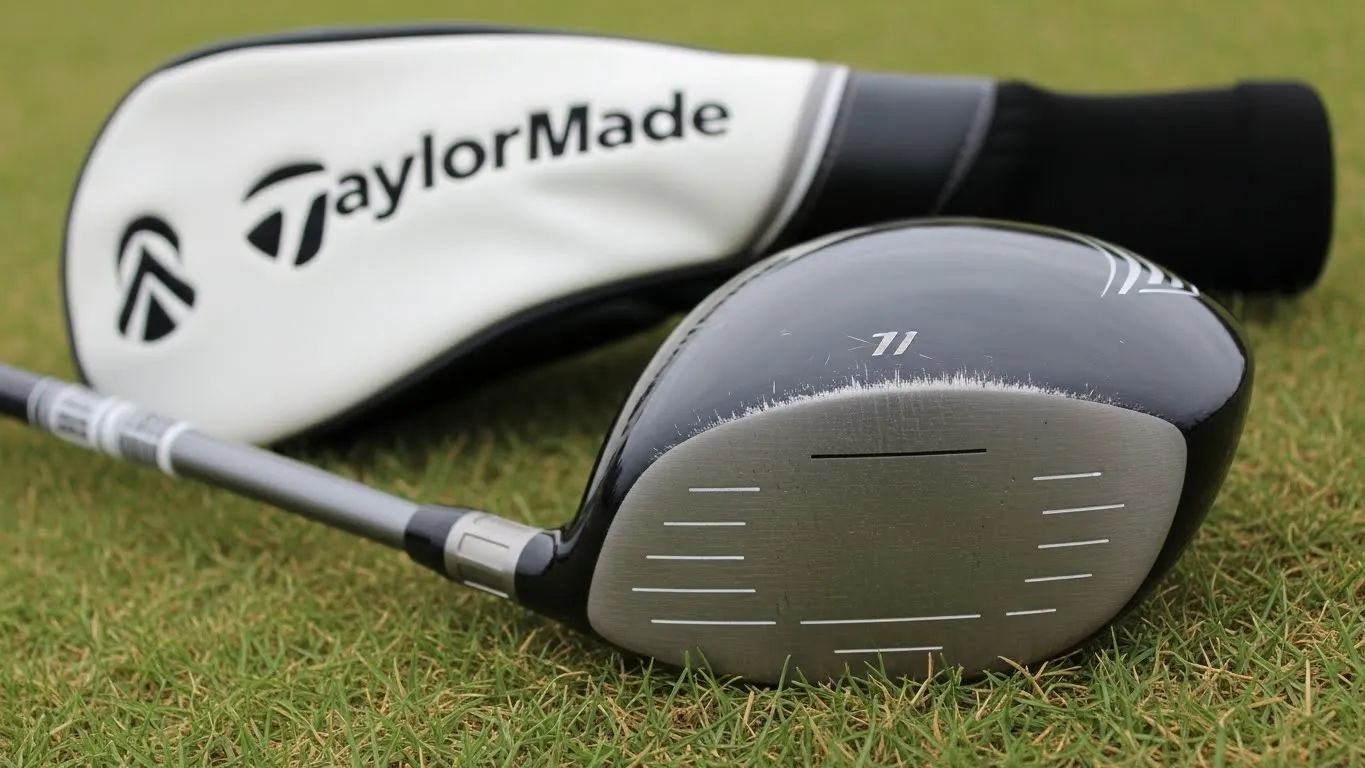
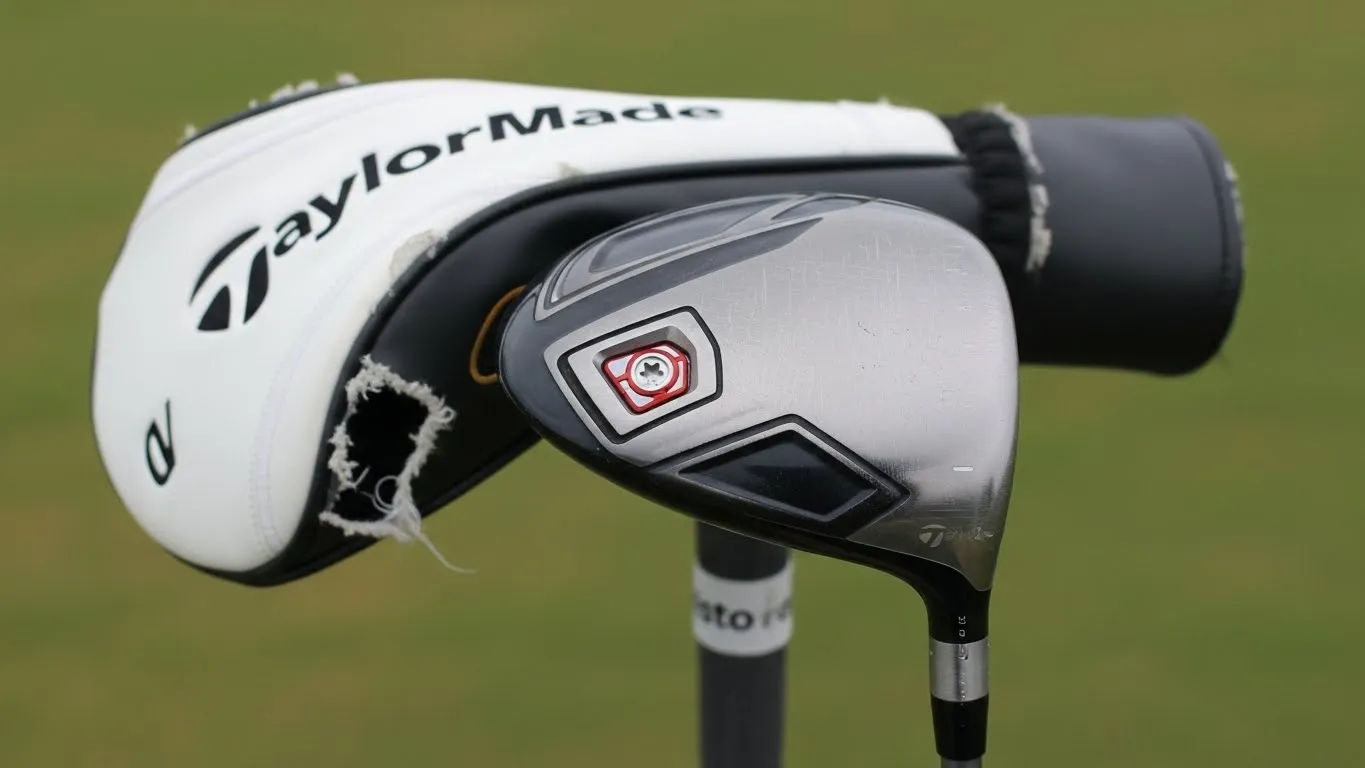
Not all 2nd hand golf drivers are created equal. Some are *well-rested*. Others? Look like they survived a tumble down a rocky embankment—and lost. So here’s your field guide: ✅ **Green flags**: clean face (no scuffs near sweet spot), intact hosel, original grip (or recently replaced), matching headcover, *and* a serial number traceable via manufacturer (most brands let you verify authenticity online). ❌ **Red flags**: *cracks* (especially near the crown or sole), loose hosel (wiggle = bad), worn grooves (yep, drivers have ‘em too—for spin control), mismatched shaft (e.g., “Mitsubishi Tensei AV Blue” stamped on a shaft that’s… suspiciously heavy and grey). Pro tip: hold the club at eye level and *squint*. If you see *any* hairline fracture? Walk away. That’s not a “character mark”—that’s a *time bomb* waitin’ to blow mid-backswing.
The Usual Suspects: Top 5 Drivers That Age Like Bourbon (Smooth, Strong, & Worth the Wait)
Models That Hold Value—Both Financially *and* Functionally
Some drivers drop off the hype train fast. Others? Become cult classics. These five 2nd hand golf drivers are still *highly sought after* in the resale market—not ‘cause they’re vintage, but ‘cause they *work*:
- Callaway Epic Flash (2019) – Jailbreak Tech + Flash Face = insane ball speed. Forgiving *and* fast. (~$180–$240 USD used)
- TaylorMade SIM2 Max (2021) – Draw-bias champ. Low CG, high MOI. Perfect for slicers. (~$220–$290 USD)
- Cobra King F9 Speedback (2019) – Aero shaping + carbon crown = easy launch. Feels *solid*, not “tinny.” (~$140–$190 USD)
- Ping G425 Max (2021) – The “tank.” 460cc, movable weight, 17° loft option—*chef’s kiss* for slow swingers. (~$250–$320 USD)
- Wilson Staff Launch Pad (2022) – Underrated gem. Ultra-high launch, ultra-low spin. Built for *real* humans. (~$160–$210 USD)
Fun fact: according to 2ndSwing’s 2024 resale report, the SIM2 Max retained 72% of its original MSRP *after two years*—higher than most 2023 models. Proof that 2nd hand golf drivers can be both smart *and* savvy.
Where to Dig: From Facebook Groups to Pro Shop Backrooms (Yes, That’s a Thing)
The Secret Ecosystem of Pre-Owned Power
You *could* just eBay it and pray—but why roll the dice when there’s a whole underground economy of gearheads tradin’ clubs like Pokémon cards? Real talk: best places to score legit 2nd hand golf drivers:
| Platform | Pros | Cons |
|---|---|---|
| Callaway Pre-Owned | Certified, 90-day warranty, launch monitor data included | Limited selection, slight premium (~10% over private sale) |
| GlobalGolf U-try | Try before you buy (7 days), wide inventory | $25 USD trial fee; shipping both ways |
| PGA Tour Superstore Trade-In | Instant credit, clubs inspected in-store | Trade-in value low; selection varies by location |
| Local Club Swap Meets | Bargains galore, negotiate in person, test swing on-site | Hit-or-miss quality; cash-only, no returns |
And don’t sleep on your local *pro shop’s backroom*—many keep a “used rack” for members only. Ask nicely. Bring donuts. Works 60% of the time, every time. Because when you find a clean 2nd hand golf drivers for $150 USD that *launches like a dream*? That’s not luck—that’s local intel.
Shaft Matters (More Than Your Swing Coach Wants to Admit)
Why a “Stiff” Shaft Might Be Sabotagin’ Your Launch—Even If You *Feel* Strong
Here’s a hot take: *most* beginners—and even mid-handicappers—swing *slower* than they think. A 2023 TrackMan study showed average male amateur swing speed: **93.4 mph**. Yet 54% of used drivers sold online are *Stiff* flex. Coincidence? Nah—marketing. “Stiff” sounds *powerful*, like it belongs on a superhero’s belt. But if your speed’s under 95 mph? A Regular (R) or even Senior (A) flex’ll load better, square the face sooner, and *reduce slices*. So when huntin’ 2nd hand golf drivers, *ignore the flex label*—check the *actual shaft model*. Example: a “Mitsubishi Diamana DF 60 R” is gold for 85–95 mph. But a “Project X HZRDUS Smoke Black 70 S”? Save it for when your drives clear 260 *consistently*. Don’t let ego pick your flex—let data. Or, y’know, that *whoosh* sound your current driver makes (if it’s more “thud,” we got work to do).
The 80/20 Rule in Golf—Wait, Isn’t That the One About Slices and Regret?
No, Bro—It’s About Gear Allocation (And Why You’re Wastin’ Cash)
Let’s clear the fog: the **80/20 rule in golf** (Pareto Principle) says *80% of your shots happen within 100 yards of the green*—yet most golfers spend 80% of their budget on the *driver*, used maybe *twice* per round. Irony thicker than grandma’s gravy. So why obsess over a $500 USD new driver when a $220 USD 2nd hand golf drivers with high MOI and draw bias does 95% of the job? Redirect that savings to wedges, putter, or—wild idea—*lessons*. Because a $120 gap wedge that saves you 3 strokes per round? That’s *real* ROI. The 80/20 rule ain’t theory—it’s permission to be *practical*. Spend smart where it counts. Your scorecard’ll thank you.
“What About the 70/30 and 90% Rules?”—Decodin’ Golf’s Secret Handshakes
Three Rules, Zero Jargon (We Promise)
Golf’s full of “rules” that sound like tax code—but here’s the plain-English breakdown:
- 80/20 Rule (already covered): 80% of shots near green → prioritize short game gear.
- 70/30 Rule: Refers to *weight distribution* in your stance for iron shots—70% on lead foot, 30% on trail. Promotes downward strike. (Not gear-related—but beginners mix ‘em up!)
- 90% Rule: A *course etiquette* policy (common in private clubs): if your ball’s in the rough, you must drop it within 90° of the fairway edge—not straight back. Keeps pace + protects turf. Violate it? You’ll get *the look* from the starter.
Bottom line: none of these say “you must buy new.” In fact? The 80/20 rule *supports* smart buys like 2nd hand golf drivers—‘cause it’s not about *what’s new*, it’s about *what works*. And sometimes, what works is sittin’ in a used bin, waitin’ for a second chance.
What Clubs Should a 12-Year-Old Have? (Spoiler: Not a Full-Sized Driver)
Junior Gear ≠ Mini Adult Gear—It’s Science, Not Sympathy
Before you hand your kid your old SIM2 and say “go nuts,” pause. A 12-year-old’s average height: ~54–58 inches. Average swing speed: 65–75 mph. A standard 45.5″ driver? It’s like handin’ a toddler a canoe paddle and sayin’, “Row to Florida.” Wrong tool. For juniors, prioritize *scaled* clubs: lighter weight, shorter shaft, higher loft (12°–14°), and *flexible* tips (Junior or Light flex). A proper junior set (e.g., US Kids Golf Ultralight, Callaway Junior XJ) costs $180–$300 USD—and includes a *shorter* driver (42–43″) designed for their biomechanics. Fun stat: kids using correctly fitted clubs improve 2.3x faster in 6 months (NGF, 2023). So no—don’t gift ‘em your 2nd hand golf drivers… unless it’s *specifically* a junior model. Otherwise, you’re teachin’ frustration, not fundamentals.
The Final Word (Before the Swing): How to Turn “Used” Into “Unbeatable”
Where to Go, Who to Trust, and Why Your Next Driver Might Already Exist
Look—we’re not sayin’ *never* buy new. But for most of us? A well-vetted 2nd hand golf drivers is the sweet spot: tour tech, beginner forgiveness, *and* budget sanity. It’s like findin’ a ’67 Mustang with 20k miles—rare, but out there. So take your time. Inspect. Test. Trust your gut (and your launch monitor data). And when you finally nail that drive—straight, high, landin’ soft on the fairway—you won’t care if it’s “pre-owned.” You’ll just grin, tap the crown like it’s a lucky charm, and think: *“Yep. This one’s got soul.”*
Ready to hunt? Swing by Met Golfer Digital for gear deep dives. Browse our curated picks in Equipment—or read our full breakdown on golf driver second hand reliable performance deals for model-by-model resale tips.
Frequently Asked Questions
What clubs should a 12 year old have?
A 12-year-old needs *scaled junior clubs*—not hand-me-down adult gear. Look for a set with a shorter driver (42–43″), lightweight graphite shafts, higher lofts (10.5°–14°), and proper flex (Junior or Light). Brands like US Kids Golf Ultralight or Callaway Junior XJ offer full sets ($180–$300 USD) designed for swing speeds of 65–75 mph. Using correctly sized 2nd hand golf drivers *only* if they’re verified junior models—otherwise, fit matters more than savings.
What is the 70/30 rule in golf?
The 70/30 rule refers to *stance weight distribution* for iron shots: 70% of your weight on your lead foot (left for right-handers), 30% on trail foot. This encourages a downward strike, compressing the ball for better spin and control. It’s unrelated to equipment—but often confused with gear rules like the 80/20 principle. When selecting 2nd hand golf drivers, focus on loft, shaft flex, and MOI instead.
What is the 90% rule in golf?
The 90% rule is a *course policy* (not USGA law) used at many private clubs: if your ball lands in the rough, you must drop it within a 90-degree angle from the fairway edge—not straight back toward the tee. It maintains pace of play and protects turf. Violating it may get you a warning—or side-eye from the ranger. While not directly about 2nd hand golf drivers, respecting course rules ensures you stay welcome to *use* that sweet pre-owned driver you just scored.
What is the 80 20 rule in golf?
The 80/20 rule (Pareto Principle) states that **80% of your shots occur within 100 yards of the green**. Yet most golfers overspend on drivers and woods. Smart budgeting means investing in wedges, putter, and short-game tools—*and* considering value-packed 2nd hand golf drivers for the remaining 20%. A $220 used driver with high forgiveness (e.g., SIM2 Max) often outperforms a $500 new one for amateurs—freeing cash for lessons or range time where it *really* counts.
References
- https://www.golfwrx.com/forums/topic/used-driver-market-trends-2024
- https://www.trackmangolf.com/research/amateur-swing-speed-distribution
- https://www.ngf.org/research/junior-golf-equipment-impact-study
- https://www.pga.com/golf-lessons/mental-game/golf-rules-etiquette-explained