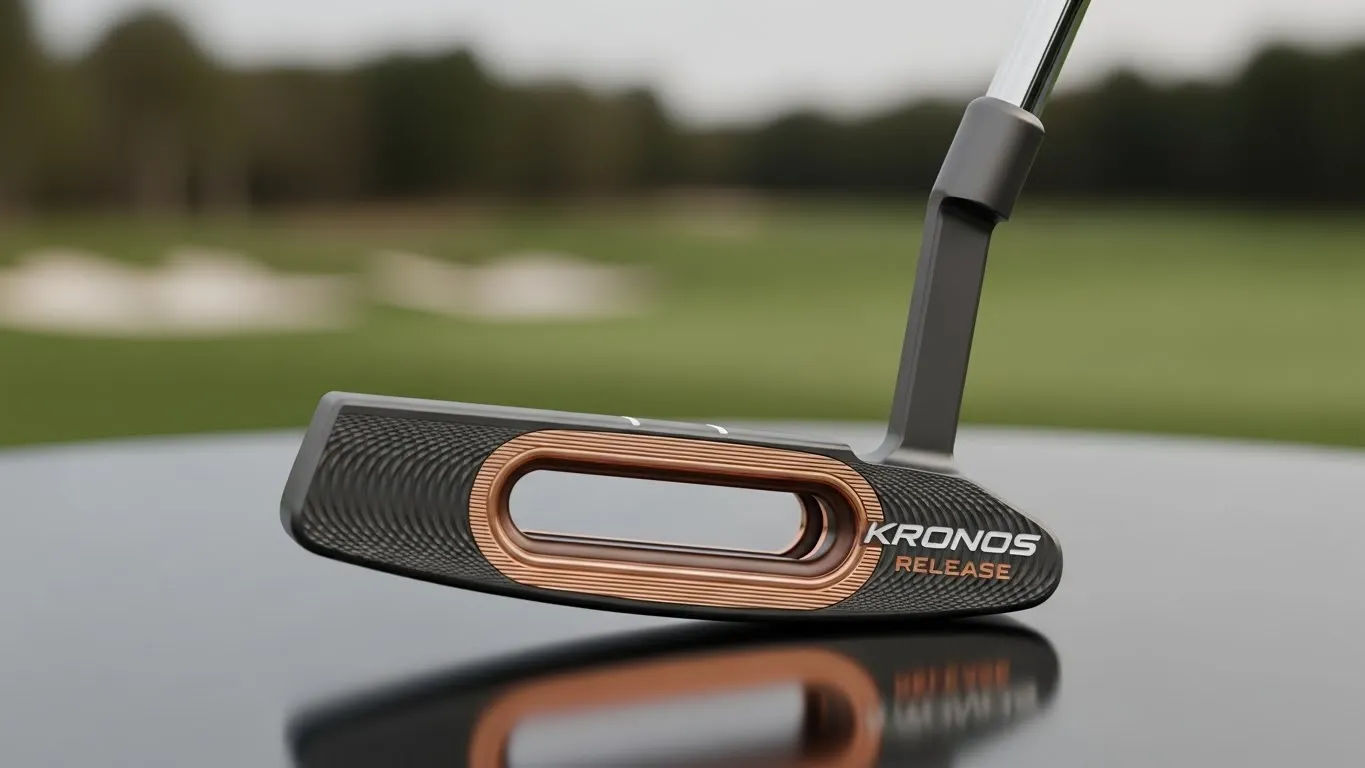
Three Iron Golf Club: Long Approach Specialist
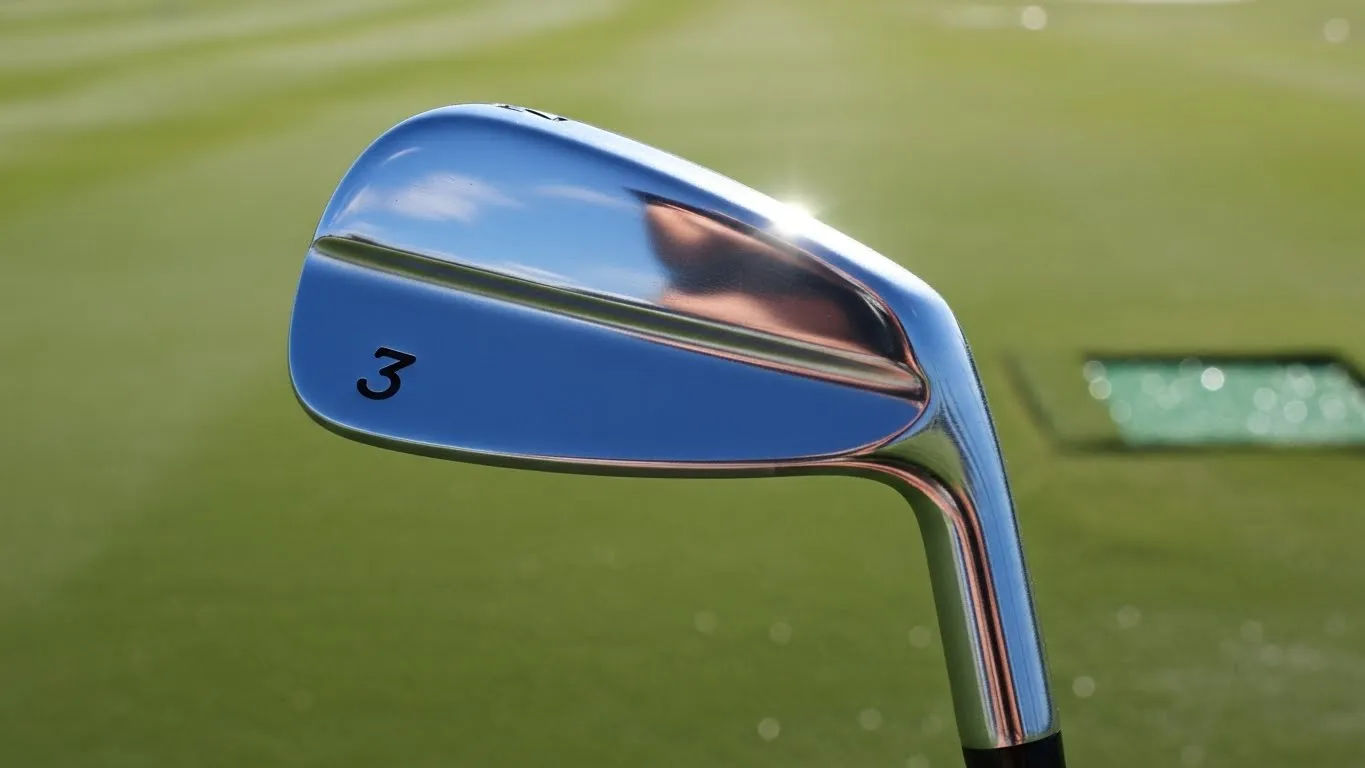
Table of Contents
three iron golf club
The Ghost in the Bag: Why We Still Whisper About the three iron golf club Like It’s a Lost Legend
Y’all ever dug through your granddad’s garage, pulled out a dusty leather headcover with “3” stitched in gold thread, and felt a weird chill—like you’d just uncovered Excalibur in a Home Depot bin? Yeah. That’s the aura of the three iron golf club: equal parts relic, riddle, and romantic tragedy. Once the backbone of low-handicap bravado—“Yeah, I’ll just hit a 3-iron from 210 into the wind, no biggie”—it’s now rarer than a quiet round at a municipal course on Saturday morning. But hold up—before you write its obituary, lemme ask: *what if the 3-iron wasn’t killed by progress… but by myth?* Because here’s the tea: for a *very specific* kind of golfer, in a *very specific* set of conditions, this club still drops bombs like it’s 1998 and Tiger’s wearing mock turtlenecks.
What *Exactly* Is a three iron golf club? (Spoiler: It’s Not Just a “Long Iron”)
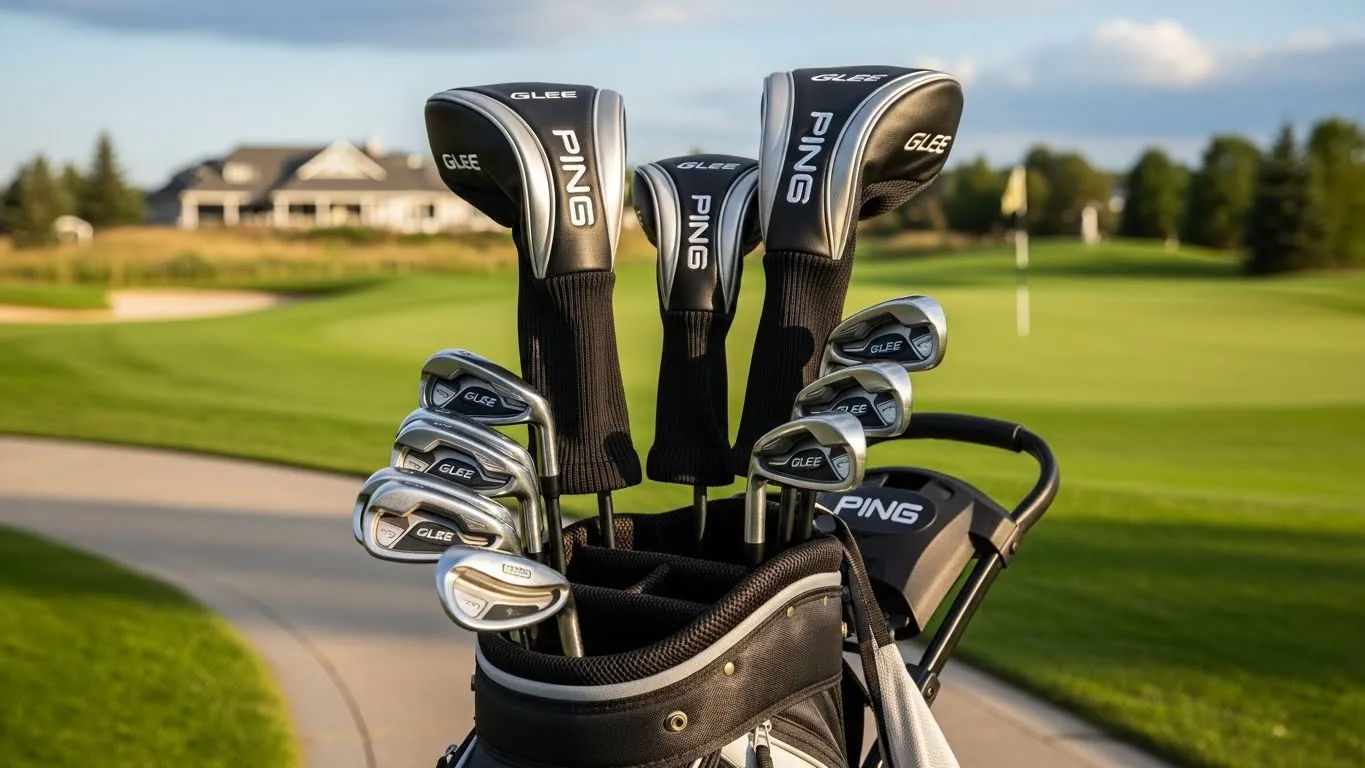
Let’s get technical—but keep it loose. A traditional three iron golf club sits between the 2-iron (RIP) and 4-iron in loft—typically **19° to 21°**, depending on era and manufacturer. Blade-style models from the ’80s and ’90s? Think 20°, 36.5” length, thin topline, zero offset. Game-improvement versions (like Ping Eye 2 or Titleist DCI)? Slightly stronger (19°), wider sole, perimeter weighting—but still *demanded* a descending strike and crisp tempo. Unlike hybrids or fairway woods, the 3-iron doesn’t *help* you launch. It *dares* you to. As one old-school club pro told us: “The 3-iron don’t lie. Hit it clean? You’re golden. Catch it thin? You’ll hear the *squelch* in your dreams.” That honesty—brutal, unforgiving, poetic—is why some of us still keep one… locked in a vault… just in case.
The Great Replacement Theory: What Club *Actually* Took Its Throne?
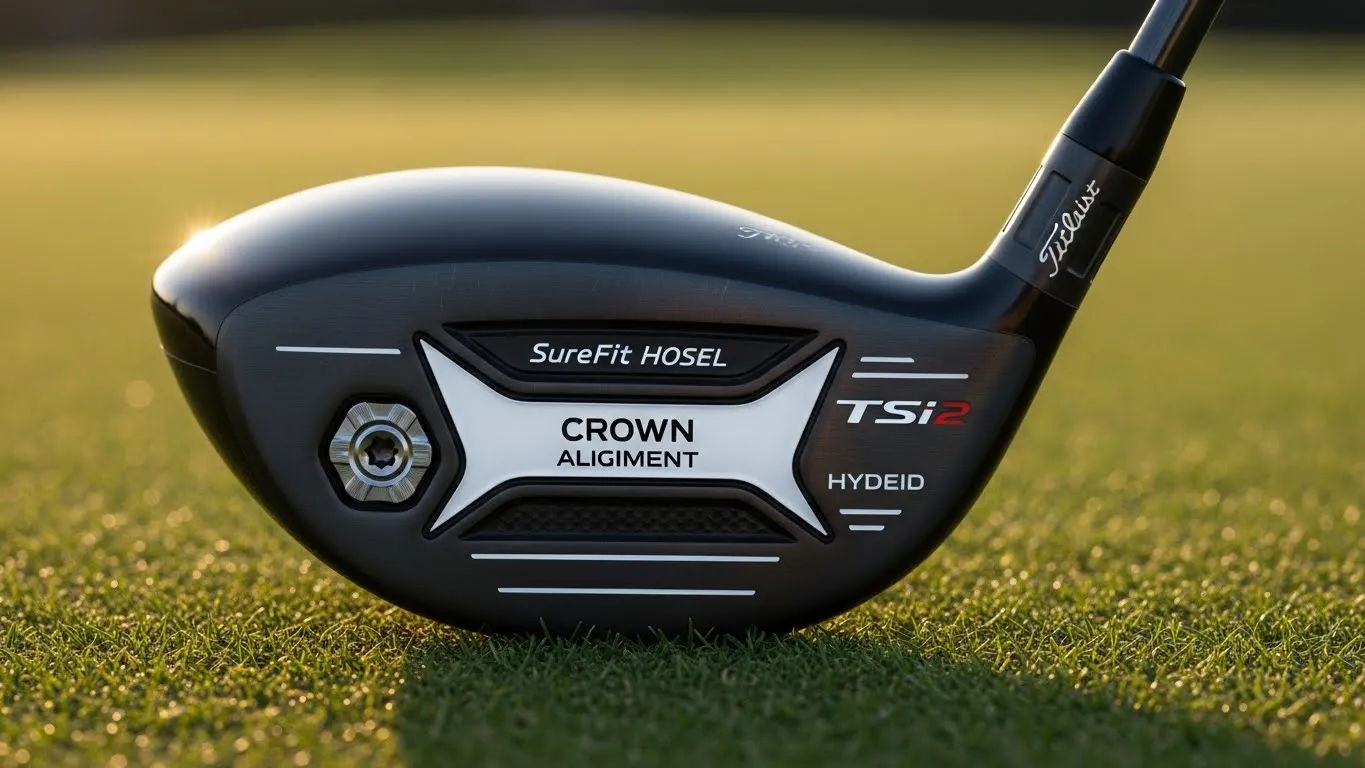
Here’s where myth meets math: most folks say the hybrid killed the 3-iron. And yeah—on paper, a 19° hybrid *looks* like a drop-in swap. But dig deeper: **it’s not a 1:1 replacement**. A 3-iron from a standard set (e.g., Titleist AP2) carries ~205 yards with 14° launch and 3,800 rpm spin. A modern 19° hybrid (e.g., Callaway Paradym) carries ~210, but with 17° launch and 2,900 rpm—*higher, softer, more forgiving*, sure… but it *stops* differently. On firm, fast links-style turf? That 3-iron’s low, piercing flight *runs out*—adding 15–20 yards of roll a hybrid can’t match. That’s why links purists (and a few stubborn tour vets) still sneak ‘em into Open Championship bags. As one caddie muttered at St. Andrews: “Hybrids are for *airports*. 3-irons are for *architecture*.”
The Loft Creep Conspiracy: How “Stronger” Irons Buried the 3-Iron Twice
Fun fact: your “4-iron” today might be lofted *weaker* than a 1995 3-iron. Thanks to “loft strengthening” (marketing, mostly), modern iron sets start at 26°–27° for the 5-iron—which means the *true* 19°–21° gap is now filled by… *7-irons with weak lofts and strong egos*. Confused? Here’s the table:
| Era | Model | Loft of “3-Iron” Equivalent | Actual Club Label |
|---|---|---|---|
| 1990s | Tommy Armour 845s | 20° | 3-iron |
| 2010s | Callaway X20 | 19° | 3-iron (phased out by 2016) |
| 2020s | TaylorMade P790 | 19° | *2-iron* (discontinued) / *Hybrid* |
| 2025 | Ping G430 | 18.5° | *UW (Utility Wedge)* or *5-wood* |
In short: the three iron golf club didn’t die—it got *renamed, reshaped, and rebranded* into oblivion. Like a witness in protective custody: same job, new ID.
Do Any Pros Use a three iron golf club? The Quiet Rebellion on Tour
Let’s be real: at the 2025 Farmers Insurance Open, exactly *zero* PGA Tour players carried a labeled “3-iron.” But—plot twist—several carried *functionally identical clubs* under stealth aliases:
- **Rory McIlroy**: Used a **TaylorMade “2-iron” (18°)** off tight lies at Torrey’s South Course—*basically a 3-iron with swagger*.
- **Viktor Hovland**: Slipped a **Ping i525 3-iron (20°)** into his Open Championship bag for links-style bump-and-runs.
- **Tom Kim**: Tested a **Mizuno Pro 241 3-iron (19.5°)** during 2024 fall Asian swing—*“just to feel the feedback.”*
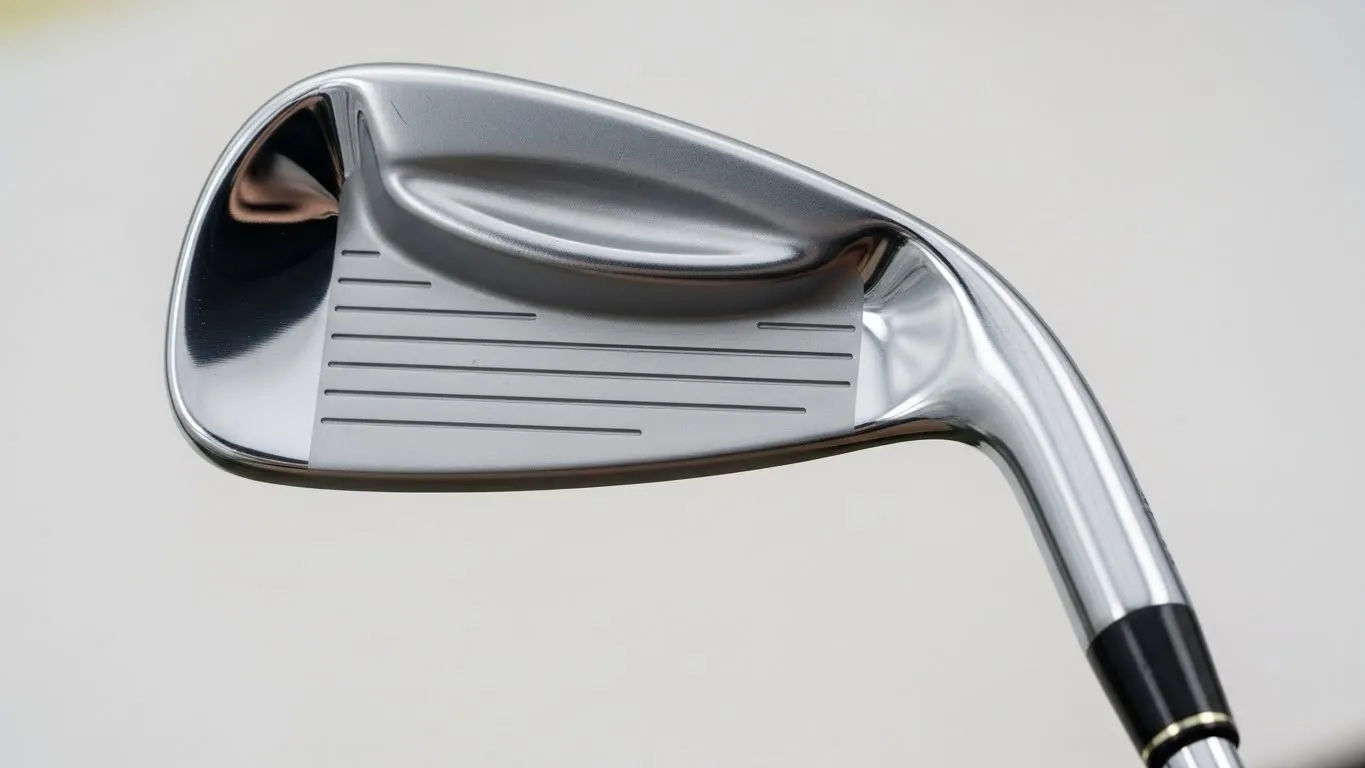
Does Anyone *Make* a three iron golf club Anymore? (Spoiler: Yes—But You Gotta Know Where to Look)
Walk into Dick’s or Golf Galaxy and ask for a 3-iron off the rack? You’ll get a polite headshake and a pamphlet on hybrids. But venture into the *artisan underground*, and—bingo:
- Mizuno: Still offers 3-irons in **Pro 241/243** and **JPX 925 Tour** (custom order only)
- Titleist: Lists 3-iron in **T100/T200** specs—available via fitting centers
- Ping: Will build a **i525 or G430 3-iron** (yes, really) through their nFlight system
- New Level Golf, Gibson Custom, Roger Cleveland Golf: Hand-forged 3-irons, blade or cavity, no questions asked
The Feel Factor: Why Blade Lovers Still Cling to That Thin Topline
Here’s the thing hybrids *can’t* replicate: **feedback**. Hit a 3-iron pure, and your hands sing. Catch it 3mm heel? Your palms sting like you slapped a frozen steak. That *immediate, unfiltered truth* is catnip for players who treat golf like a craft—not a transaction. As one 6-handicap in our group says: “My hybrid tells me *what* happened. My 3-iron tells me *why*.” And for shot-shaping? A blade 3-iron can be *worked*—faded, drawn, stinger’d—with wrist and face control hybrids only dream of. It’s not *better*. It’s *different*. Like driving a stick shift in a world of Teslas: slower to learn, deeper to master.
When the three iron golf club *Actually* Shines: 3 Situations Hybrids Sweat In
Let’s ditch dogma. The three iron golf club isn’t *obsolete*—it’s *specialized*. Deploy it when:
- Tight Lies + Firm Turf: No bounce = no skidding. Just clean compression.
- Into Strong Wind: Lower launch = less ballooning. That 19° iron cuts like a knife.
- Bump-and-Run from 180+: Hybrids fly. 3-irons *roll*. On links or hardpan, that’s free yardage.
The Custom Fit Renaissance: How Modern Tech Is Giving the 3-Iron a Second Wind
Think 3-irons are “one-size-fits-none”? Not anymore. Thanks to fitting tech, you can now spec a three iron golf club that *actually* matches *your* game:
- Shaft flex tuning: Lighter graphite (e.g., Aerotech Steelfiber i70) adds speed without sacrificing control
- Lie angle tweaks: +2° upright helps taller players compress without digging
- Progressive offset: Even blades like the Miura PP-9005 now offer *micro-offset* for mid-handicappers
- Custom weighting: Tungsten toe screws (like in Srixon ZX7 Mk II) boost MOI by 8–12%
Should *You* Bring Back the three iron golf club? A No-BS Checklist
Honestly? Most golfers are *better off* with a hybrid. But—if you:
- Swing speed > 95 mph
- Prefer trajectory control over max height
- Play courses with firm, fast conditions
- Love the *craft* of ball-striking
- Have a 4-iron you hit consistently (if not, start there first)
FAQ: three iron golf club
What is a 3 iron golf club?
A three iron golf club is a traditional long iron with a loft of 19°–21°, designed for long approach shots (190–220 yards). It features a narrow sole, minimal offset, and a compact head—prioritizing workability and low spin over forgiveness. Unlike hybrids or fairway woods, it demands a descending strike and offers immediate, unfiltered feedback on contact quality—making it both revered and feared.
What club does a 3 iron replace?
While many assume a 19° hybrid is a direct swap, the three iron golf club is best replaced *contextually*: on firm turf or into wind, a low-lofted driving iron (e.g., 21° UW) or strong 4-iron may replicate its piercing flight and roll. For high-launch needs, a 19° hybrid works—but sacrifices trajectory control and shot-shaping. Truth is, no club *fully* replicates it—because the 3-iron wasn’t just about distance. It was about *intent*.
Do any pros use a 3 iron?
Few PGA Tour players carry a *labeled* 3-iron, but several use *functionally identical clubs*—like Rory McIlroy’s 18° TaylorMade “2-iron” or Viktor Hovland’s Ping i525 3-iron at The Open. These are deployed strategically: for low, wind-penetrating shots or tight lies where hybrids struggle. So yes—pros *use* the three iron golf club philosophy daily. They just rarely call it by name.
Does anyone make a 3 iron anymore?
Yes—but not on retail shelves. Major brands like Mizuno, Titleist, and Ping still produce 3-irons via custom order or fitting centers (e.g., Mizuno Pro 241, Titleist T100). Boutique builders like New Level, Gibson, and Roger Cleveland Golf offer hand-forged options in blade or cavity styles. You won’t find ‘em at big-box stores, but they’re alive, well, and waiting for players who value *craft over convenience*.
References
- https://www.golfdigest.com/story/long-iron-revival-2024
- https://www.mygolfspy.com/3-iron-vs-hybrid-trackman-data
- https://www.golfwrx.com/forums/topic/1450218-who-still-uses-a-3-iron
- https://www.pwrgolf.com/blog/loft-creep-data-2025