Best Beginner Golf Irons: Forgiving Easy to Hit
- 1.
How Do You Even Start Swinging When Your Iron Feels Like a Crowbar?
- 2.
Why Game-Improvement Irons Are Basically the Golf Equivalent of Training Wheels (But Way Cooler)
- 3.
Material Matters—But Not Like You Think
- 4.
Set Composition—Do You Really Need a 3-Iron? (Spoiler: Nope.)
- 5.
Top Contenders in the “Wait, I Hit That?!” Category
- 6.
Don’t Sleep on TaylorMade: Stealth 2 HD Is Low-Key Elite
- 7.
Cobra’s T-Rail Combo: The “Yeah, I Meant to Do That” Iron
- 8.
Fitness, Flex, and Feel—Why Fitting Isn’t Just for the Pros
- 9.
Used vs. New—When “Pre-Loved” Is Actually the Smart Play
- 10.
Putting It All Together: Your Starter Kit Checklist (and Where to Go Next)
Table of Contents
best beginner golf irons
How Do You Even Start Swinging When Your Iron Feels Like a Crowbar?
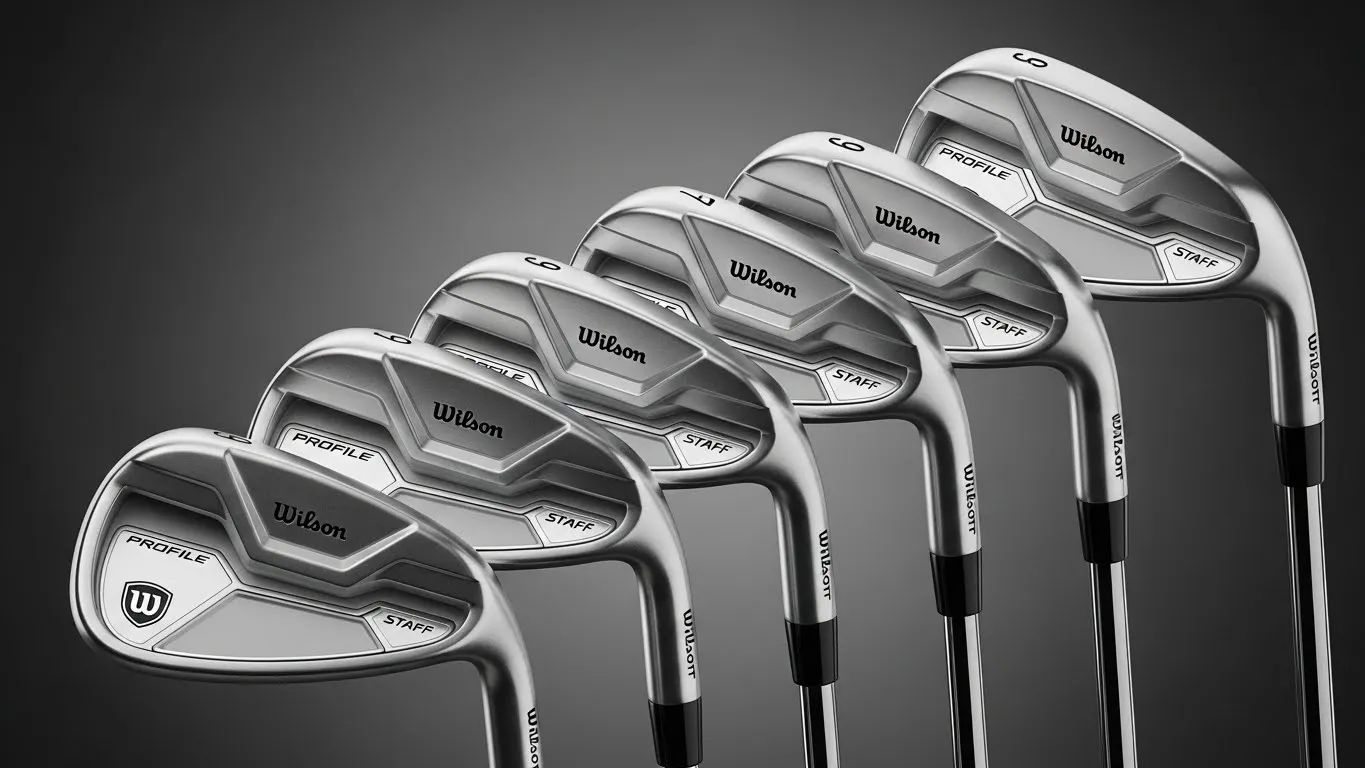
Ever picked up an iron and thought, “Wait—ain’t this s’posed to fly? ‘Cause this here thing’s diggin’ a ditch.” Yeah, we’ve been there—bent over like a confused heron, swingin’ with the grace of a raccoon in a trash can. For true greenhorns, the best beginner golf irons ain’t just clubs—they’re confidence-buildin’ sidekicks. They’re the ones that whisper, “Nah, sugar, don’t choke it like you’re wringin’ laundry—just let it flow.” Truth be told, most newbies don’t need tour-level precision—they need forgiveness wrapped in titanium, with a side of sweet sound on contact. And that sweet spot? Big. Real big. Like, “miss the center by a whole inch and still get 180 yards” big. The best beginner golf irons understand your struggle—they know your divots look like seismic activity reports. That’s why cavity-backs, game-improvement irons, and perimeter-weighted designs dominate the starter racks. Because nobody’s payin’ $1,200 USD for a set that makes ‘em wanna yeet it into the lake.
Why Game-Improvement Irons Are Basically the Golf Equivalent of Training Wheels (But Way Cooler)
Forgiveness Ain’t Just a Virtue—It’s a Feature
Let’s break it down: if your swing’s got more wobble than Jell-O at a summer picnic, you need best beginner golf irons with serious MOI (moment of inertia)—fancy talk for “won’t punish you for swingin’ like you’re swattin’ a bee.” High MOI = less twisting on off-center hits = ball stays on planet Earth (mostly). The best beginner golf irons often sport wide soles, low CG (center of gravity), and thick toplines—all engineered to launch the ball higher and straighter, even when your strike’s shy of perfect. Think of ‘em as your personal swing therapist. Calm. Supportive. Non-judgmental—even when you top it into the cart path. Brands like Callaway, TaylorMade, and Cobra bake this tech right into their entry-level lines, so you get tour-pro engineering without the tour-pro price tag (or ego).
Material Matters—But Not Like You Think
Steel vs. Graphite: Which Shaft’s Gonna Hold Your Hand?
Okay, real talk: steel shafts feel solid, consistent, and *chef’s kiss* for players with faster swing speeds—but most beginners swing slower than a Sunday drive through Savannah. That’s where graphite shines. Lighter, more flexible, and *way* kinder on the joints—graphite shafts in the best beginner golf irons help you generate clubhead speed without turnin’ your back into a pretzel. And no, it ain’t “cheatin’.” It’s physics with empathy. Some sets even mix ‘em—graphite in the long irons (4–7), steel in the short ones (8–PW)—for optimal launch + control. Bonus? Less vibration on mishits. Translation: fewer grimaces, more grins. And if your hands feel like they’ve been shakin’ a paint can after nine holes? Yeah, that’s why graphite exists.
Set Composition—Do You Really Need a 3-Iron? (Spoiler: Nope.)
Hybrids > Long Irons. Every. Single. Time.
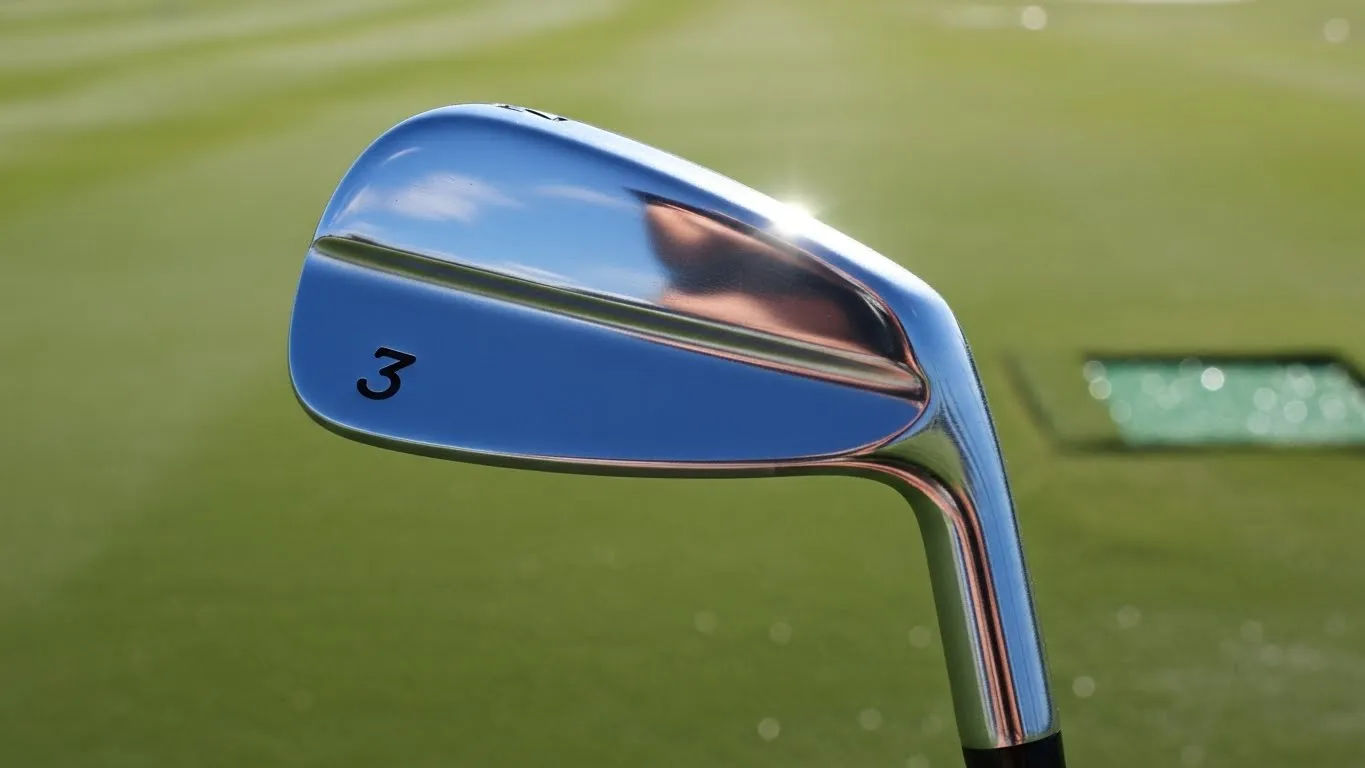
Let’s be real: the 3-iron is basically a museum piece at this point. Even tour pros swapped it out for hybrids years ago. So why’s it still lurkin’ in beginner sets like a ghost from 1998? Stop it. The best beginner golf irons come in smart, modern configurations—think 5-iron through pitching wedge, *plus* a 4-hybrid or two. Hybrids? They’re the lovechild of a fairway wood and an iron: forgiving, easy to launch, and they don’t require perfect turf interaction. Miss the sweet spot? Still flies. Thin it? Still flies—just maybe a *little* lower. That’s the magic of the best beginner golf irons: they replace frustration with function. A solid starter set usually runs 7–9 clubs (including hybrids), covers ~120–180 yards, and fits in your trunk without needin’ a forklift.
Top Contenders in the “Wait, I Hit That?!” Category
Callaway Rogue ST Max: The People’s Champ
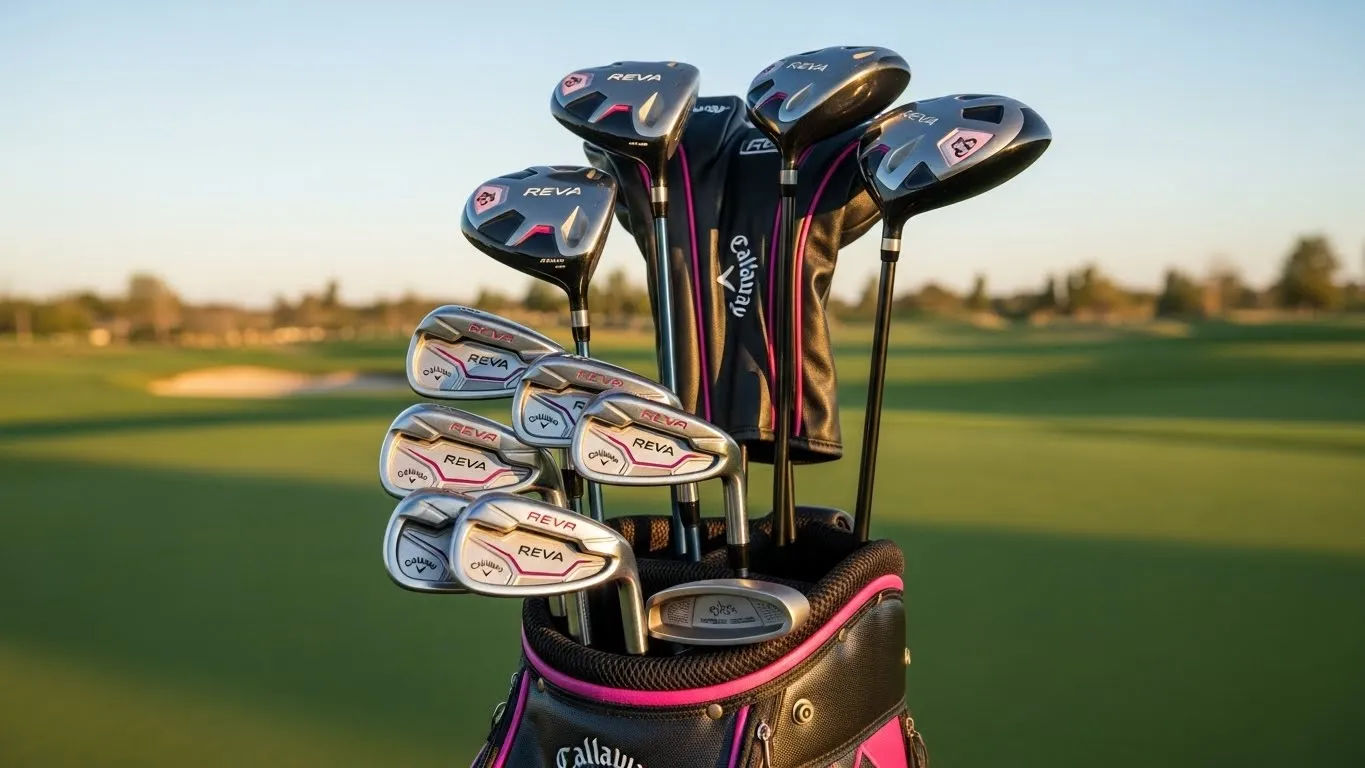
If the best beginner golf irons had a prom king, Callaway’s Rogue ST Max would be wearin’ the crown *and* the sash. With A.I.-designed Flash Face tech (yeah, robots helped design this bad boy), urethane microspheres for sound *and* feel, and a cavity so deep it could hold your hopes and dreams—this iron forgives like a saint. Launch is high. Spin is manageable. And the turf interaction? Smooth as sweet tea on a porch swing. Testers consistently report gains of 10–15 yards over older models—*without swingin’ harder*. Just… better. And at ~$999 USD (full set), it undercuts tour-level gear while outperformin’ half the “premium” clubs in the shop. No wonder folks keep askin’, “Are Callaway irons good for beginners?” Honey, they’re *built* for it.
Don’t Sleep on TaylorMade: Stealth 2 HD Is Low-Key Elite
SpeedFoam Air + Cap-Back Design = Forgiveness on Steroids
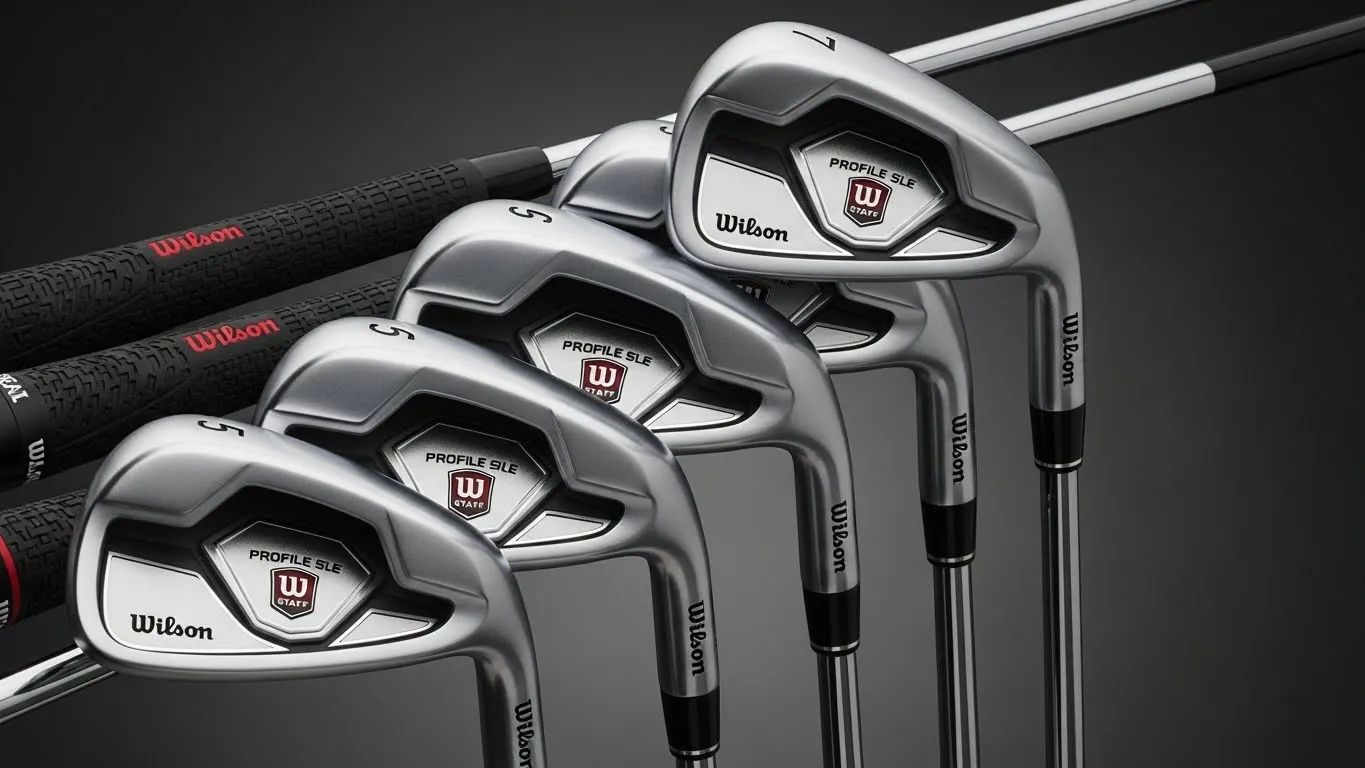
TaylorMade’s Stealth 2 HD irons look like they rolled off a SpaceX assembly line—and honestly? They kinda did. The Cap-Back design frees up weight to the perimeter (hello, MOI), while SpeedFoam Air—a lightweight polymer injected into the cavity—dampens vibrations *and* boosts ball speed across the face. Translation: even your “meh” swings get upgraded to “huh… that’s not half bad.” The best beginner golf irons in this lineup launch higher than a startled pigeon, stop faster on greens, and feel buttery—despite the massive forgiveness. And get this: the set includes a 4-hybrid *and* a 5-hybrid. Because TaylorMade knows nobody’s hittin’ a 3-iron unless it’s for irony (pun intended).
Cobra’s T-Rail Combo: The “Yeah, I Meant to Do That” Iron
Two Rails, One Mission: Keep You Outta the Rough
Cobra’s T-Rail irons got dual rails on the sole—like little snowplows for grass and sand. The result? Cleaner contact, even when you’re swingin’ a *touch* steep (looking at you, weekend warriors). These are some of the best beginner golf irons for players who tend to “dig.” The rails reduce drag, help the club glide, and keep the face square through impact. Plus, the hollow construction + PWR-Bridge weight bar low and deep = launch city. Ball pops up like it’s late for a meeting. And the price? Around $799 USD for a 6-piece combo (4H, 5–9, PW). That’s less than a decent set of wheels for your pushcart—and way more fun.
Fitness, Flex, and Feel—Why Fitting Isn’t Just for the Pros
Your Swing Speed Dictates Your Shaft—Not the Other Way ‘Round
Here’s a hot take: buying off-the-rack irons without knowin’ your swing speed is like orderin’ boots blindfolded. Sure, they *might* fit—but odds are, you’re walkin’ funny. Most beginners swing between 65–75 mph with a 7-iron. That screams *Regular* or *Senior* flex (yes, even if you’re 28 and lift). Too stiff? You’ll fight the club, lose distance, and slice like it’s your job. Too whippy? You’ll over-rotate, hook into next county, and wonder why yoga didn’t help. The best beginner golf irons come in multiple flexes—and many brands offer free online fitting tools. Spend 5 minutes. Save 50 strokes. Pro move.
Used vs. New—When “Pre-Loved” Is Actually the Smart Play
Depreciation Starts the Second You Walk Out the Door
Fact: golf clubs lose ~30% value the moment you unbox ‘em. By year two? You’re lookin’ at 50–60% off retail. And for beginners? That sweet spot—last-gen models of the best beginner golf irons—are *still* lightyears ahead of older tech. Example: 2023 Callaway Rogue ST Max irons can be found for ~$650 USD (full set, used, excellent cond.) vs. $999 USD new. Same tech. Same forgiveness. Just… slightly less Instagrammable. Reputable sites like Callaway Pre-Owned, GlobalGolf, and 2nd Swing certify condition, regrip if needed, and even offer 30-day play guarantees. So unless you *love* payin’ for box art, go pre-loved. Your wallet—and your swing—will thank ya.
Putting It All Together: Your Starter Kit Checklist (and Where to Go Next)
What to Grab, What to Skip, and Where to Learn More
So—what’s the golden rule for snaggin’ the best beginner golf irons? Look for: cavity-back or hollow-body design, graphite or light steel shafts, hybrid replacements for 3–4 irons, and a price tag under $900 USD. Avoid: blade-style irons, ultra-thin toplines, and anything labeled “Tour Issue” (unless irony’s your love language). Once you’re swingin’ consistently, don’t forget to level up your knowledge. Dive into gear reviews, swing mechanics, and—why not?—the wild world of collectible clubs. Ready to explore more? Start at Met Golfer Digital, browse the latest gear in Equipment, or geek out over vintage gems in Most Valuable Golf Clubs: Collectible Vintage Gems. Trust us—once you hit that first pure 7-iron? You’re hooked. Like, “cancel-your-Netflix” hooked.
Frequently Asked Questions
What are the best golf irons for a beginner?
The best beginner golf irons prioritize forgiveness, high launch, and easy distance—think Callaway Rogue ST Max, TaylorMade Stealth 2 HD, and Cobra T-Rail. These feature wide soles, perimeter weighting, and often graphite shafts to help new players get the ball airborne consistently, even on off-center strikes. They’re engineered to minimize slices, boost confidence, and—most importantly—make the game fun instead of frustrating.
Which golf clubs should a beginner start with?
A beginner doesn’t need a full 14-club bag—start lean. Ideal starter set: driver, 3-wood (or 5-wood), 4-hybrid, 5–9 irons, pitching wedge, sand wedge, and putter. Many modern sets replace the 3-iron and 4-iron with hybrids, which are far easier to hit. Focus on the best beginner golf irons that include at least one hybrid, and skip the gap wedge or lob wedge until your short game tightens up. Less clutter = faster learning.
What are the easiest golf irons to hit?
The easiest golf irons to hit are game-improvement or super game-improvement models with hollow bodies, wide soles, and low centers of gravity. Examples: Callaway Rogue ST Max OS, Cobra T-Rail, and Wilson Launch Pad. These feature oversized heads, thick top-lines, and advanced face tech that boosts ball speed even on heel/toe strikes. In short—the best beginner golf irons are built to turn mishits into “meh, still playable” shots.
Are Callaway irons good for beginners?
Abso-lutely. Callaway’s Rogue ST and Big Bertha lines are *designed* for new and high-handicap players. Their A.I.-optimized Flash Face, urethane microspheres, and progressive offset make them some of the most forgiving, easy-launching irons on the market. Yes—Callaway irons are not just good for beginners; they’re among the best beginner golf irons period. Bonus: they sound and feel premium, which keeps morale high when the scorecard gets spicy.
References
- https://www.pgatour.com/news/2023/02/15/equipment-insight-why-hybrids-replaced-long-irons
- https://www.mygolfspy.com/gear-spotlight-game-improvement-irons-2024/
- https://www.golfdigest.com/story/best-golf-clubs-for-beginners
- https://www.golf.com/gear/equipment/best-golf-clubs-beginners/