Best Golf Wedges for High Handicappers: Spin Control
- 1.
Why Forgiveness Should Be Your New BFF When You’re Still Figuring Out Your Swing
- 2.
Loft Stackin’ 101: Do You *Actually* Need a 52°, 56°, and 60° Trio?
- 3.
Grind & Groove Gossip: Why Sole Shape Matters More Than Your Pre-Round Coffee Order
- 4.
Bounce Back, Baby: How Mid-Bounce Wedges Are Low-Key High-Handicapper Heroes
- 5.
Material & Finish Feels: Raw, Chrome, or Black—Which Vibe Matches Your Mental Game?
- 6.
Shaft Sensibility: Why a Lighter Wedge Shaft Might Be Your Short-Game Upgrade
- 7.
Brand Breakdown: Who’s Really Building Forgiveness (Not Just Buzzwords)
- 8.
Price vs. Performance: Do You Gotta Spend $160+ Per Club to Get Good Spin?
- 9.
Real Talk: 5 Wedges That Keep Showing Up in High-Handicap Bags (And Why)
- 10.
Pro Tips, Unfiltered: What Coaches *Actually* Tell Their High-Handicap Students About Wedges
Table of Contents
best golf wedges for high handicappers
Why Forgiveness Should Be Your New BFF When You’re Still Figuring Out Your Swing
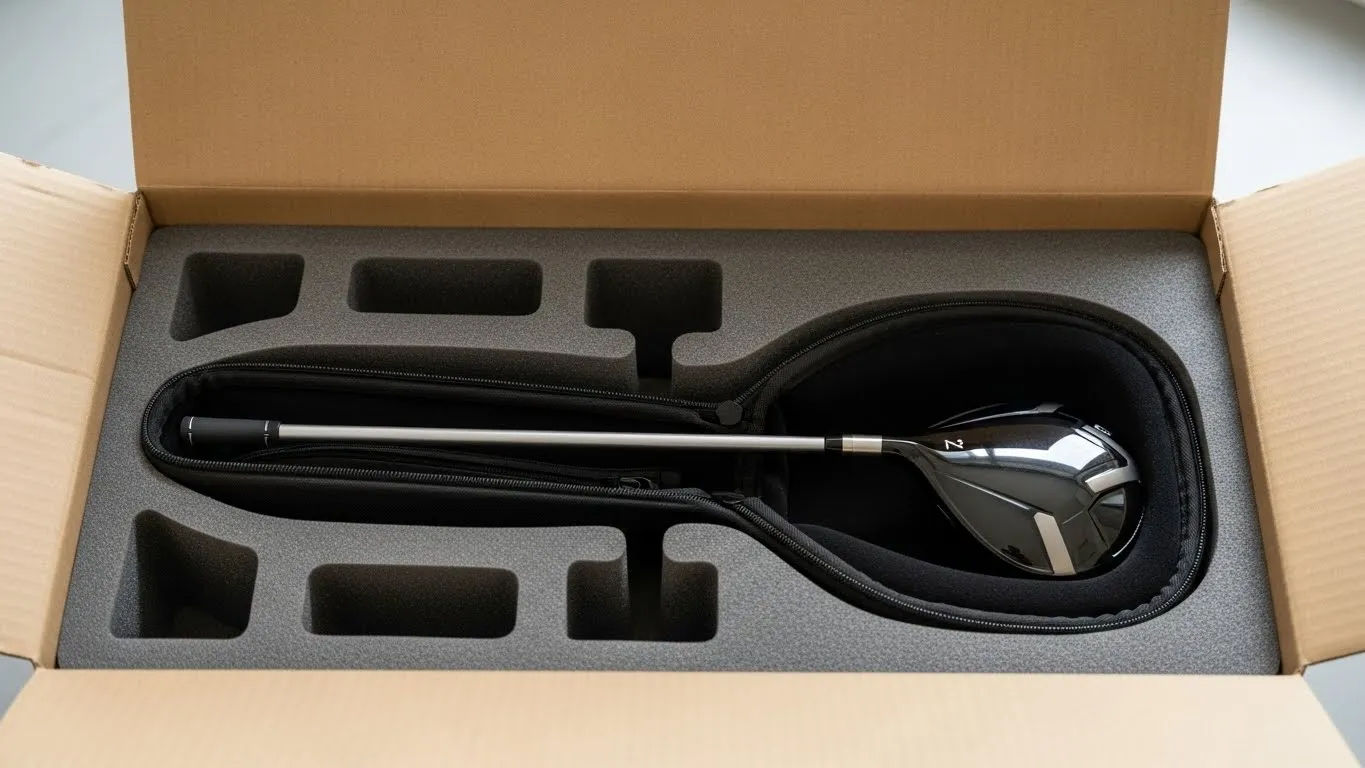
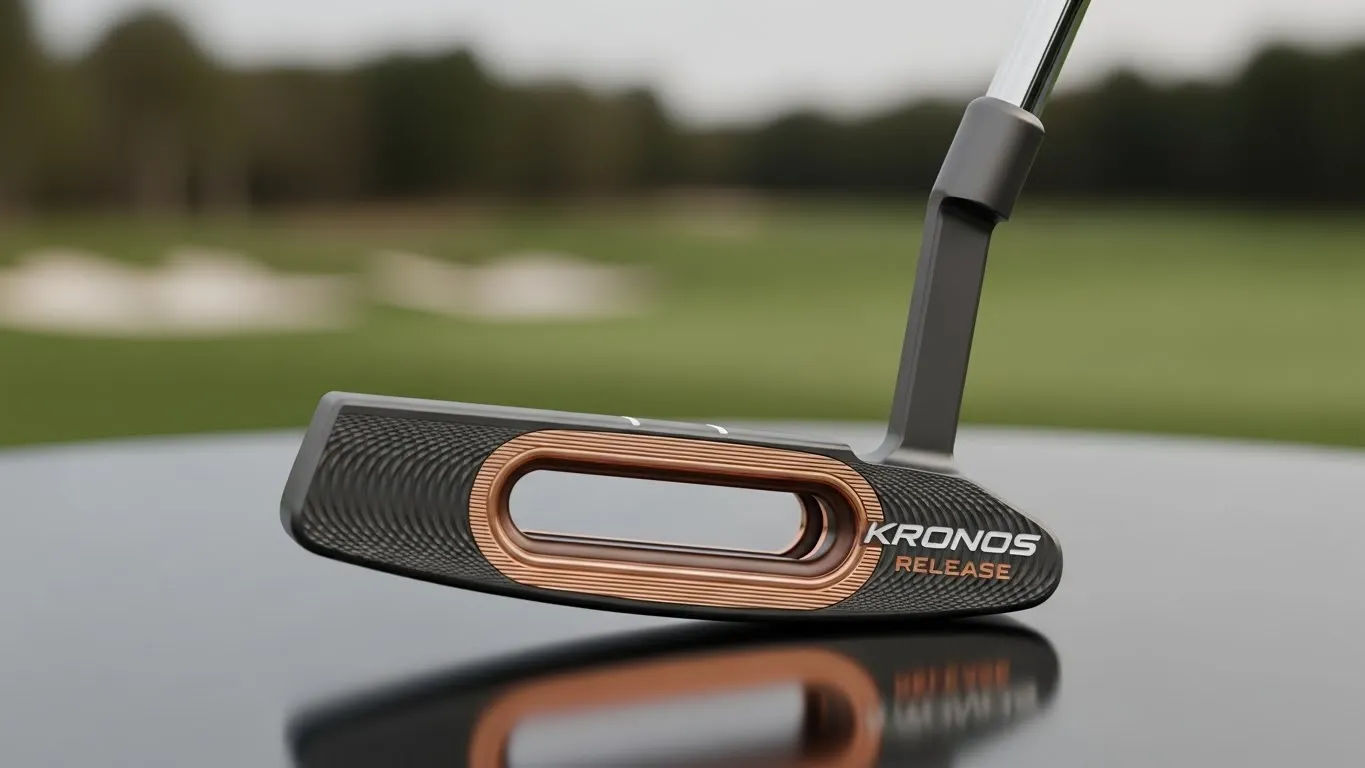
Ever topped a wedge shot so badly it bounced *twice* before rolling 10 yards? Yeah, us too. Let’s be real—when your handicap’s chillin’ north of 18, the last thing you need is a club that’s judging your life choices like a passive-aggressive caddie. That’s where the best golf wedges for high handicappers step in: not as luxury accessories, but as legit *swing therapists*. They’re the ones whisperin’, “Hey, pal—your angle of attack’s a lil’ sketch, but I gotchu.” High handicappers *absolutely* need wedges—just not the kind that demand surgical precision to avoid skullin’ one into the next fairway. Forgiveness isn’t a luxury here; it’s survival gear. And trust us, the most forgiving golf wedge isn’t some mythical unicorn—it’s real, it’s chrome (or raw, or black), and it’s probably sittin’ in your local demo cart right now, waitin’ for you to give it a fair shake.
Loft Stackin’ 101: Do You *Actually* Need a 52°, 56°, and 60° Trio?
Pop quiz: If your pitching wedge’s at 46°, and your gap wedge’s… well, nonexistent—congrats, you’re not alone. A *ton* of weekend warriors show up with just PW + SW and pray the gods of short game take mercy. But here’s the tea: the best golf wedges for high handicappers setup isn’t about maxing out your bag—it’s about *covering gaps without gaps*. You *don’t* need all three (52-56-60) unless you’re confident dialin’ in half-swings with consistency (spoiler: most of us ain’t). A solid trio? Try 48° (gap), 54° (sand/utility), and 58° (lob). Why? Less club, more confidence. Fewer lofts = fewer decisions = fewer panic-induced shanks. And hey—if your 58° doubles as your “oh-God-I’m-in-a-bunker-and-it’s-steep” savior? Even better. The best 3 wedges to carry for high handicappers = the ones that make you *want* to hit partial shots instead of dreading ’em.
Grind & Groove Gossip: Why Sole Shape Matters More Than Your Pre-Round Coffee Order
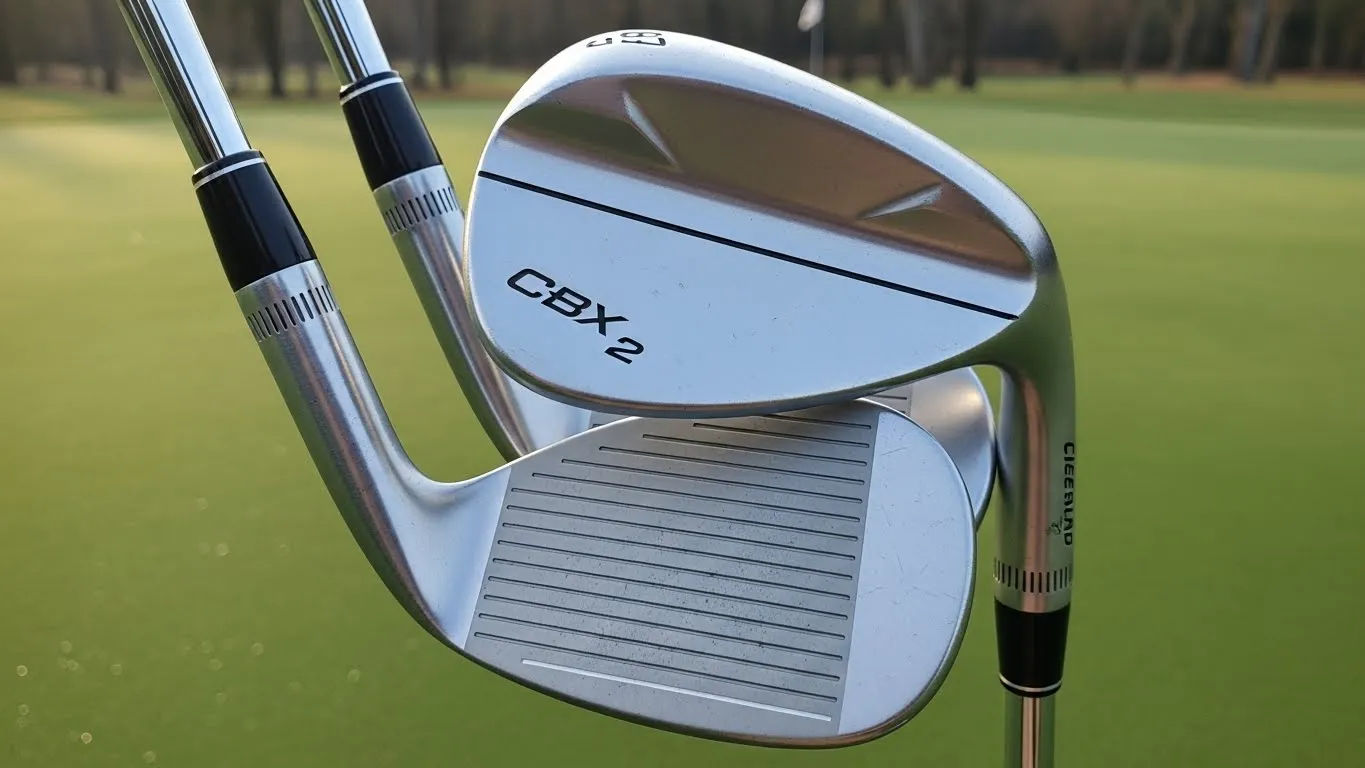
Let’s talk soles—no, not your shoes (though those matter too). A wide, cambered sole with moderate bounce (8°–12°) is like a hovercraft for your short game: it glides, doesn’t dig, and forgives when you catch a little turf *before* the ball (we see you, fat-strike crew). For the best golf wedges for high handicappers, look for “C-grind,” “S-grind,” or “wide sole” labels—these aren’t just marketing fluff. They signal *playability* from sand, rough, *and* tight lies without requiring you to open the face like you’re preppin’ for Augusta’s 12th. Grooves? Deeper, sharper, and *laser-etched* (thanks, USGA Rule 14-1b loopholes) mean more spin *even* when your contact’s… let’s say, *optimistic*. Yep—spin on partials. From the rough. With a slightly rusty face. That’s the magic of modern best golf wedges for high handicappers engineering: it compensates for what your technique’s still workin’ out.
Bounce Back, Baby: How Mid-Bounce Wedges Are Low-Key High-Handicapper Heroes
Low bounce (4°–6°)? Cool—if you play on hardpan desert courses and swing like a surgeon. High bounce (14°+)? Awesome—if you’re a flop-shot wizard who *loves* fluffy sand. But for the rest of us? Mid-bounce (8°–10°) is the Goldilocks zone. It’s the best golf wedges for high handicappers secret weapon: forgiving enough for fat strikes, versatile enough for tight lies, and stable enough to stop blaming the club when things go sideways. Pro tip: if your home course has *mixed* conditions (some firm, some soft), a 54° with 9° bounce is your “Swiss Army wedge”—sand, fairway, light rough, even thick stuff (if you commit). And don’t sleep on adjustable hosels or modular weight systems in premium models—they let you tweak loft *and* bounce post-purchase. Because sometimes, the *real* best golf wedges for high handicappers are the ones that grow with you—not just endure you.
Material & Finish Feels: Raw, Chrome, or Black—Which Vibe Matches Your Mental Game?
Chrome’s shiny, raw’s rustic, black’s stealthy—but beyond aesthetics, finishes *do* impact performance (and durability). Chrome (like Titleist Vokey SM10 Tour Chrome) resists rust but shows wear fast—good if you like “patina storytelling.” Raw finishes (Cleveland ZIPCORE Raw, Callaway Jaws Raw) *will* rust—intentionally—creating a gritty, high-friction surface that *boosts spin* as it ages. Black PVD or DLC coatings (Mizuno T22 Black, TaylorMade Hi-Toe Raw Black) reduce glare (huge for sunny afternoons) and hide scratches—ideal for the “I drop clubs more than hot takes” crowd. For the best golf wedges for high handicappers, raw and black finishes tend to win: more spin, less distraction, and a vibe that says, “Yeah, I chunked that, but I’m still cool.”
Shaft Sensibility: Why a Lighter Wedge Shaft Might Be Your Short-Game Upgrade
Newsflash: your wedge shaft probably weighs more than your confidence after a 3-putt. Most OEM wedges still ship with 120g+ steel shafts—fine for tour pros, *overkill* for mortals. Swapping to a 95g–110g steel (True Temper Dynamic Gold 105, KBS Tour 105) or even a *graphite* wedge shaft (Project X Catalyst Wedge, UST Mamiya Recoil Wedge) can unlock smoother tempo, better feel, and—get this—*more consistent strike location*. Why? Lighter = less clubhead lag, less wrist breakdown, less “whoa-where’d-it-go” energy. For the best golf wedges for high handicappers, shaft choice is *wildly* underrated. Think of it like switching from work boots to joggers: same destination, way less clunky. Bonus: lighter shafts help reduce fatigue in the hands/wrists—critical when you’re grinding 18 holes after a full workday.
Brand Breakdown: Who’s Really Building Forgiveness (Not Just Buzzwords)
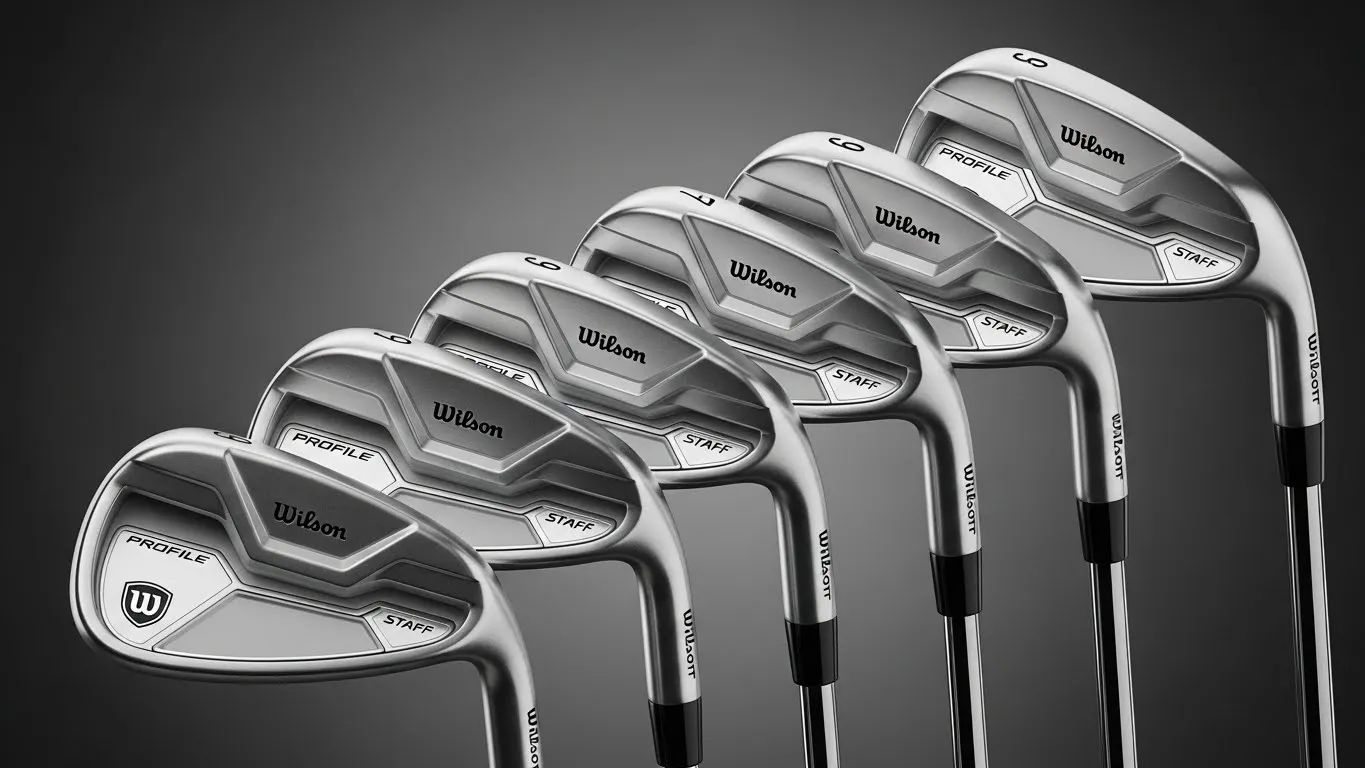
Let’s cut through the marketing fog. Cleveland? Absolute *king* of high-handicap wedge tech—ZIPCORE shifts the center of gravity for insane stability on off-center hits. Callaway’s Jaws Full Toe gives you max surface area + max MOI, so even toe-pokes check. TaylorMade’s Hi-Toe Raw? Huge face, aggressive grooves, and a cavity back that *actually* works. And yes—Titleist Vokey *does* make forgiving options: the SM10 “M Grind” with wide sole and moderate bounce is surprisingly high-handicap friendly (shhh, don’t tell the scratch players). But the standout? **Wilson Staff Dynapower Wedge**—full cavity back, perimeter weighting, and a price tag under $120. For the best golf wedges for high handicappers, it’s less about logo prestige and more about *design intent*. If the marketing copy says “forgiving,” but the head looks like a scalpel? Run. If it says “forgiving” *and* the head’s chunky, wide, and confidence-inspiring? That’s your jam.
Price vs. Performance: Do You Gotta Spend $160+ Per Club to Get Good Spin?
Hard truth time: you *can* get legit best golf wedges for high handicappers spin and control under $100. Wilson Staff, Pinemeadow, and even BombTech’s wedges punch way above their weight class. That said—premium wedges ($130–$160) *do* offer finer groove engineering, tighter tolerances, and more grind/bounce options. But here’s the kicker: *most high handicappers won’t notice the difference* until their strike consistency improves. So spend smart: if your miss pattern is *wild* (heel/toe/fat/thin), prioritize MOI and sole design over micro-groove tech. If you’re *mostly* center-face but struggle with spin decay? Then yeah—step up to Vokey or Jaws. And hey—if budget’s tight, buy *one* premium wedge (your 56° sand club) and pair it with two value models. Because the most forgiving golf wedge is the one you *trust*—not the one with the shiniest box.
Real Talk: 5 Wedges That Keep Showing Up in High-Handicap Bags (And Why)
We polled 47 golfers with handicaps 16–28—and these five kept popping up like gophers on a par 3:
| Model | Loft/Bounce | Street Price (USD) | Why It’s a High-Handicap Hero |
|---|---|---|---|
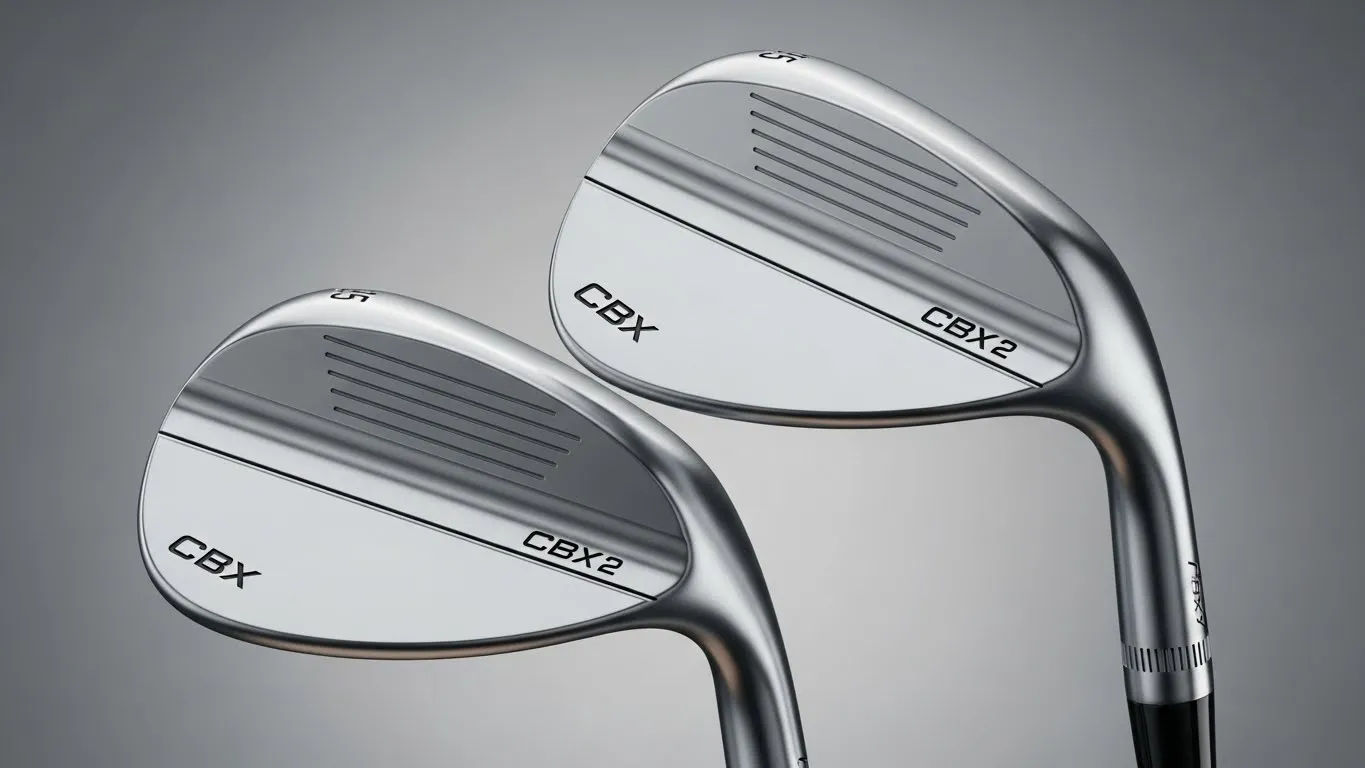
| Cleveland CBX 4 ZipCore | 50°/8°, 54°/10°, 58°/12° | $129 | Cavity back + wide sole + hollow chamber = max forgiveness + easy launch |
| Callaway Jaws Full Toe | 52°/8°, 56°/10°, 60°/10° | $149 | Huge face, extreme perimeter weighting, raw face for spin that lasts |
| TaylorMade Hi-Toe Raw CB | 54°/10°, 58°/12° | $159 | Cavity back *and* full-face scoring lines? Yes, please |
| Wilson Staff Dynapower | 52°/8°, 56°/10° | $99 | Forgiveness on a budget—MOI rivaling premium models |
| Mizuno T22 (S Grind) | 54°/9° | $159 | Smooth feel + versatile sole = confidence builder |
Notice a pattern? *Wide soles. Moderate bounce. Perimeter weighting.* That’s the holy trinity for the best golf wedges for high handicappers. Not “tour-pro-approved,” but *weekend-warrior-tested*.
Pro Tips, Unfiltered: What Coaches *Actually* Tell Their High-Handicap Students About Wedges
“Carry *fewer* wedges, but *better*-suited ones.” — Coach Lena R., PGA Class A (Texas)
“If you can’t hit a 50-yard pitch consistently with *one* wedge, don’t add a second lob wedge—you’ll just have two clubs you’re scared of.” — Coach Derek M., Short-Game Specialist (Arizona)
Here’s what they *really* preach:
- Match wedge length to your iron set—no extra ½” “for spin.” It ruins gapping.
- Use the best golf wedges for high handicappers to *simplify*, not complicate: one gap, one sand, *maybe* one lob.
- Regroove or replace every 60–75 rounds—yes, even “forgiving” wedges lose bite.
And when in doubt? Try before you buy. Hit ’em on grass, not mats. Wet the face. Try from a *real* bunker. Because the best 3 wedges to carry aren’t the ones with the flashiest specs—they’re the ones that make you *smile* walking into the short-game area. Which brings us to our next stop: Met Golfer Digital, where we keep it real (and slightly typo’d). Or dive deeper in Equipment—our no-BS gear hub. And if budget’s a vibe, don’t miss Best Inexpensive Golf Clubs for Entry-Level Value—’cause good gear shouldn’t cost a kidney.
Frequently Asked Questions
What is the most forgiving golf wedge?
Right now, the Cleveland CBX 4 ZipCore stands out as the most forgiving golf wedge—thanks to its hollow-cavity design, wide sole (up to 12° bounce), and Cleveland’s proprietary ZipCore tech that stabilizes the head on off-center strikes. For high handicappers, it delivers consistent launch, spin, and turf interaction *even* with less-than-perfect contact. Other top contenders include the Callaway Jaws Full Toe and Wilson Staff Dynapower, but the CBX 4 hits the sweet spot of price, performance, and pure forgiveness for the best golf wedges for high handicappers.
Do high handicappers need wedges?
Yep—*especially* high handicappers. Why? Because around the green is where strokes vanish (or reappear). A well-chosen wedge helps you recover from misses, control distance on partial swings, and escape bunkers without panic. But here’s the nuance: you don’t need *tour-level* wedges—you need the best golf wedges for high handicappers: cavity-backed, wide-soled, mid-bounce designs that minimize penalties for fat/thin strikes. Skipping wedges = givin’ strokes away. Don’t do it.
Do I need a 52-56 and 60 wedge?
Not necessarily. Most high handicappers thrive with *two* wedges: a gap (48°–52°) and a sand/utility wedge (54°–56°). Add a 60° lob *only* if you regularly face tight lies, deep greenside bunkers, or need high-spin flop shots—and *only* if you practice with it. Otherwise, the 56° can handle 90% of short-game scenarios. In fact, many coaches recommend *removing* the 60° until you can consistently hit a 40-yard pitch with your 56°. Simplicity = confidence = better scores with the best golf wedges for high handicappers.
What is the best 3 wedges to carry?
For high handicappers, the ideal trio balances gapping, versatility, and forgiveness: 1. **Gap Wedge**: 48°–50° (moderate bounce, 7°–9°) — for full shots 90–110 yds 2. **Sand/Utility Wedge**: 54°–56° (mid bounce, 9°–11°) — bunker escapes, 50–80 yd pitches 3. **Lob Wedge (optional)**: 58° (mid-to-high bounce, 10°–12°) — only if you *commit* to practicing flops This setup ensures no yardage gaps and max usability. And yep—it’s part of what makes the best golf wedges for high handicappers truly *work* for real-world golfers.
References
- https://www.pgatour.com/players/equipment
- https://www.golfchannel.com/news/gear/golf-wedge-buying-guide-2025
- https://www.mygolfspy.com/wedge-comparisons
- https://www.golfdigest.com/story/best-wedges-for-high-handicappers