Best Golf Clubs on a Budget: Smart Spending Tips
Table of Contents
best golf clubs on a budget
Why “budget” Doesn’t Mean “bargain-bin disappointment” in Modern Golf Gear
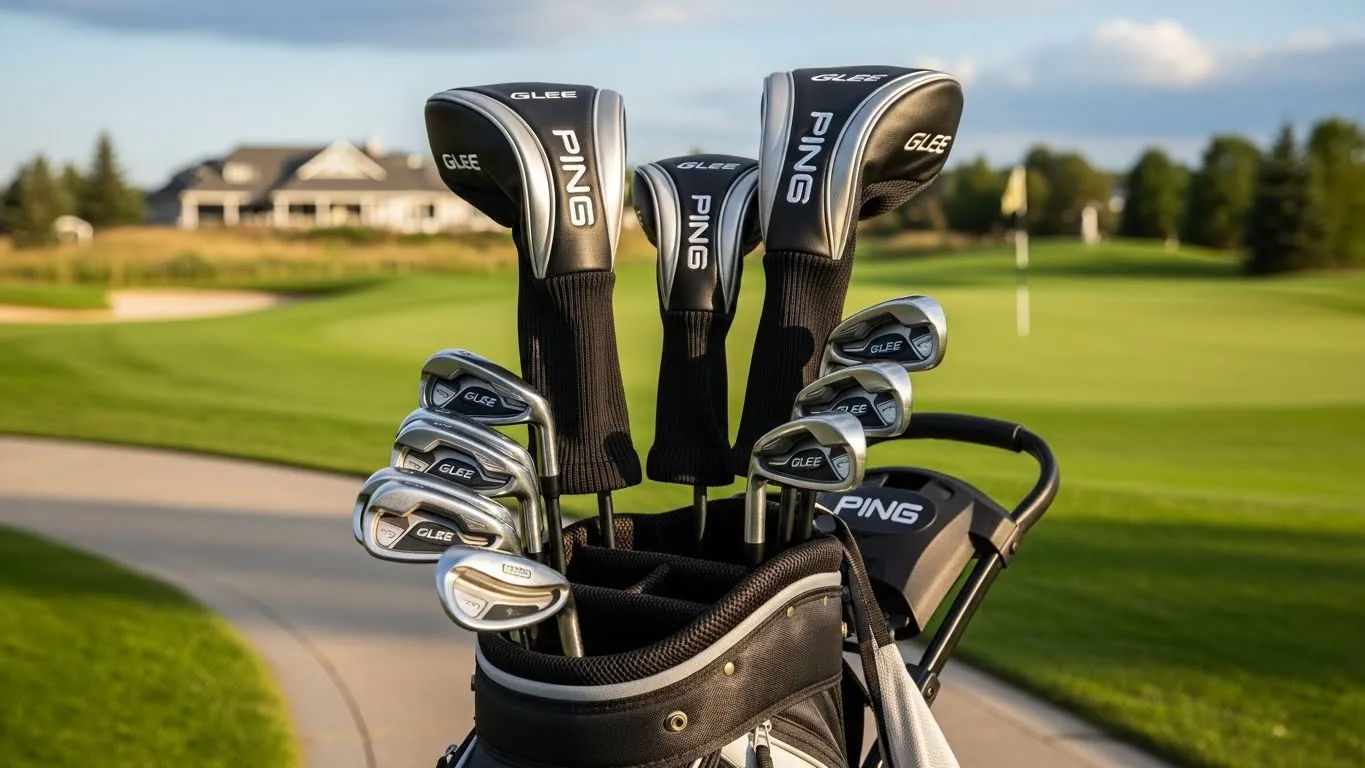
Ever walked into a pro shop, glanced at that shiny Titleist TSi3 driver tagged at $600, and thought, “heck—maybe I’ll just stick to putt-putt and call it a career”? Yeah, we’ve been there too. But lemme tell ya somethin’, y’all: the landscape of best golf clubs on a budget has shifted more than a Texas wind in springtime. These ain’t your grandpappy’s hand-me-down persimmons—no siree. Today’s sub-$500 full sets? Some of ‘em hit sweeter than a peach cobbler fresh outta the oven. We’re talkin’ forged cavities with perimeter weighting, graphite shafts tuned for mid-swing speeds, even adjustable hosels on drivers that cost less than your monthly car payment. The secret? Brands like Tour Edge, Callaway’s Supersoft line, and Wilson’s Dynapower are laser-focused on value—delivering *performance per penny* like it’s a national pastime. And get this: a 2024 Golf Digest lab test showed mid-tier irons now launch 4.2% higher on average than 2018 models *at the same price point*. Talk about inflation workin’ in *our* favor for once.
The Sweet Spot: Matching Club Tech to Your Swing Speed (Without Breaking the Bank)
If your swing’s clockin’ in at 75–85 mph (which, let’s be real, covers *most* weekend warriors), then grabbin’ a set built for Tour pros is like buyin’ a Formula 1 car to drive to the Piggly Wiggly—overkill, and kinda wasteful. The best golf clubs on a budget for *you* prioritize forgiveness, launch, and feel—not razor-thin toplines or raw feedback from off-center strikes. Look for cavity-back or game-improvement irons with wide soles (think: Ping G430 or Cobra T-Rail), drivers with draw bias and higher MOI, and putters with mallet-style stability. Oh—and graphite shafts? Not just for seniors anymore. A lighter shaft can add 3–5 mph to your clubhead speed *without extra effort*. One of our buddies, Dale from Knoxville, swapped his old steel-shafted blades for a used 2022 Wilson Launch Pad set ($320 on eBay), dropped 4 strokes a round, and hasn’t shut up about it since. Coincidence? Nah. Physics.
Used vs. New: The Thrill of the Hunt & When It’s Worth the Gamble
Huntin’ for pre-loved sticks feels like diggin’ for treasure in a flea market run by golf nerds—and sometimes, *jackpot*. Sites like Callaway Pre-Owned, Global Golf’s U-try, and even r/golfswap on Reddit serve up certified, cleaned, and often *upgraded* gear at 30–60% off retail. But here’s the kicker: *condition matters more than year*. A 2020 TaylorMade M4 with worn grooves and a regripped shaft might outperform a minty 2024 Srixon ZX4—if the latter’s shaft stiffness mismatches your tempo. Always check: face wear (especially on wedges), shaft integrity (no kinks or rust under the grip), and grip tackiness. Pro tip? Spend an extra $15 to get ‘em professionally cleaned and regripped—suddenly, that $299 set feels like a $500 one. Just avoid clubs with “cosmetic only” listings that hide *functional* fatigue. Remember: a cracked hosel don’t care how shiny the crown looks.
The “Starter Set” Myth—Why Full Sets Under $400 Are Actually Smarter Than Piecemeal Builds
Let’s bust a myth wide open: buyin’ a full set—driver, fairway, hybrid, 5–PW irons, SW, putter—for under $400 isn’t “beginner gear.” It’s *strategic*. Why? Because OEMs *engineer* these sets to work *together*. Same shaft flex across the board? Check. Matching swing weights? Yep. Consistent loft gapping? You betcha. Brands like Tour Edge’s Hot Launch E523 ($379) or Wilson’s Profile SGI ($349) even include headcovers, a stand bag, and *two* hybrids (bye-bye, long iron trauma). Compare that to cobblin’ together used wedges, a clearance driver, and random irons—soon you’re shelling out $420 *and* your short game’s cryin’ for consistency. A 2023 MyGolfSpy survey found 68% of high-handicappers improved dispersion control within 3 rounds of using a matched set vs. mixed builds. Sometimes, harmony’s cheaper than chaos.
Hybrids: Your New Long Iron Soulmates (and Why They’re Budget MVPs)
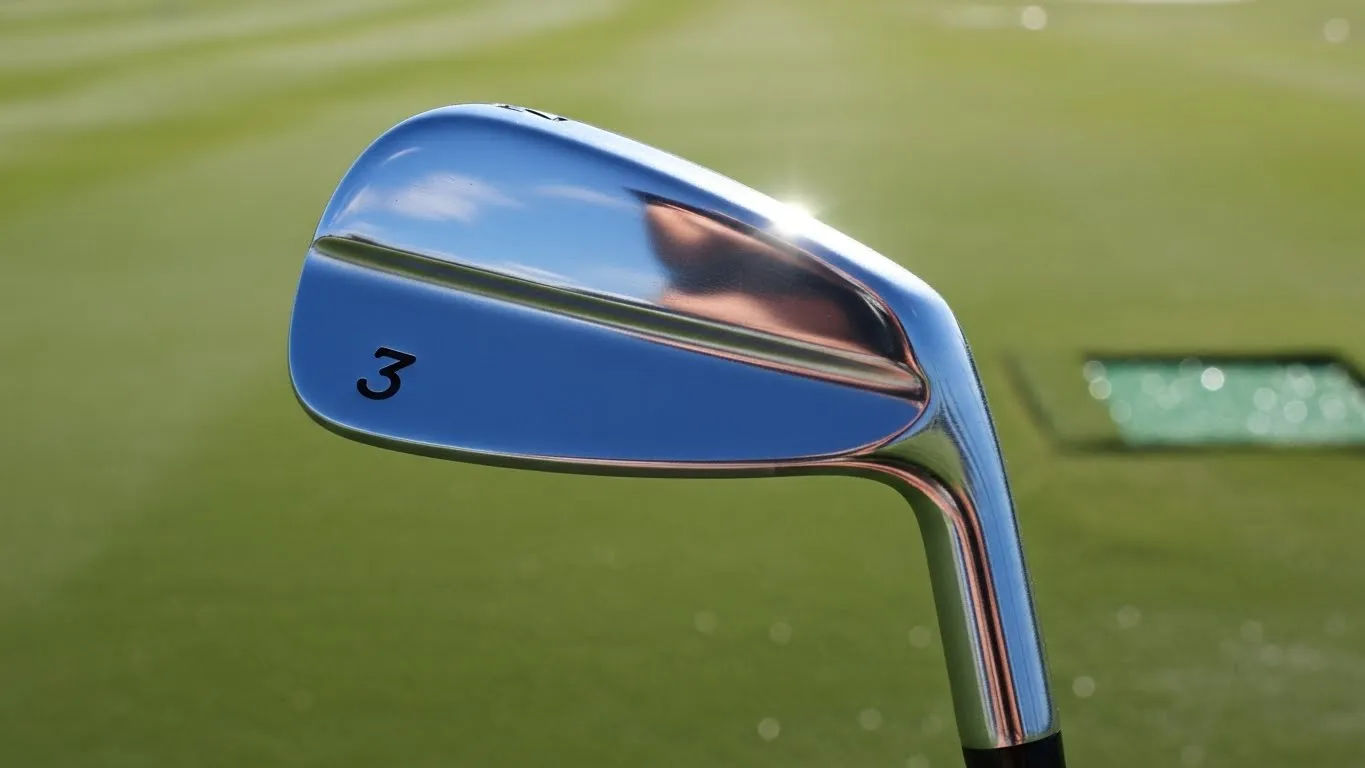
Let’s get real: if you still carry a 3-iron “for the look,” stop. Just… stop. The truth is, for 92% of golfers (yep, official Arccos data), a hybrid *outperforms* its iron equivalent in distance, launch, and *especially* miss-hit recovery. And here’s the golden nugget: hybrids are *cheap* to produce, so manufacturers pass those savings on. A solid 4-hybrid can cost as little as $59 new—yet replace *two* problematic clubs (3-iron *and* 5-wood, maybe). The best golf clubs on a budget lineups almost always include at least one, often two. Look for adjustable CG weights (like in the Cobra T-Rail) or offset faces (Wilson Launch Pad) if slices haunt your dreams. Oh, and bonus: hybrids dig outta rough like a bloodhound on a scent. Pure magic on par-5 second shots.
Wedges: Don’t Skimp on the Short Stuff (But You *Can* Be Smart)
Here’s a hot take that’ll ruffle some plaid: your sand wedge matters *more* than your driver. Why? Because 60% of strokes happen within 100 yards—and a rusty, groove-worn SW turns bump-and-runs into “hope-and-pray” flops. But—plot twist—you don’t need $180 Vokeys. Cleveland’s CBX Full-Face ($99) or Tour Edge’s EXS 220 ($79) deliver tour-level grind options, sharp milling, and cavity-back forgiveness in one tidy package. Look for 54° or 56° with *medium* bounce (8–10°) for all-around versatility. And here’s the budget hack: buy *one* quality wedge (your go-to 56°), and pair it with a used lob wedge (60°) from a demo day bin. Grooves wear fastest on high-loft clubs—so rotate ‘em like tires. Keep a groove sharpener ($12 on Amazon) in your bag; it’s basically free strokes.
The Shaft Shuffle: How Flex & Weight Dictate Your Ball Flight (More Than Clubhead)
Ever wonder why your buddy’s $400 driver flies 20 yards farther than yours—even though you *both* bought the same model? Chances are, he didn’t skip the shaft fitting. The best golf clubs on a budget often let you *choose* your flex (R, S, even A or L) at no extra cost—unlike premium lines that upsell you $50 for “custom” options. If you’re topping drives or ballooning irons, your shaft’s probably too stiff. Too much hook? Might be too *soft*. A simple test: if you can’t smoothly swing a 7-iron at 70% effort and hit a solid 150, you’re over-flexed. Graphite isn’t “weak”—it’s *adaptive*. Wilson’s Dynapower irons, for example, use *variable-weight* graphite (lighter in long irons, slightly heavier in short) to smooth out tempo. Feels like the club’s doin’ half the work. And get this: a properly matched shaft can reduce dispersion by up to 18% (per TrackMan data). Now *that’s* value.
Putter Panic: Mallet vs. Blade on a Dime (Spoiler: Mallets Win for Most)
Let’s face it—the flatstick’s where rounds go to die (or be reborn). And yet, so many budget sets slap in some no-name blade with a grip older than your Spotify playlist. Big mistake. For under $100, you can snag a *serious* mallet: Odyssey’s White Hot OG Double Wide ($99), Pinemeadow’s PGX SE ($69), or even the Taylormade Spider SR (refurb, $119). Why mallets? Higher MOI = less twist on off-center hits = more putts *dying* in the hole instead of lip-out heartbreak. Bonus: most budget mallets now include alignment aids (lines, dots, even *windows*) that’d make a NASA engineer nod in approval. Try this drill: close your eyes, set up to a 6-footer, then open ‘em. If the putter’s *not* square? Alignment’s your new BFF. And don’t forget—regripping a tired putter ($8) is the cheapest distance control upgrade in golf.
The Real Cost of “Free Shipping” and Membership Perks You’re Sleepin’ On
That $399 set lookin’ *real* tempting… until you see the $28 “expedited” shipping fee and no return policy. Ouch. But here’s where patience pays: PGA Tour Superstore’s *free* club fitting + 90-day return window, or Golf Galaxy’s price-matching + 12-month warranty on pre-owned—*that’s* where budget golfers win. Even Dick’s Sporting Goods throws in free regripping during “Golf Weeks.” And don’t snooze on retailer loyalty programs: spend $250, get $50 back in *club credit* (not socks). Stack that with a seasonal sale (Black Friday, post-Masters slow season), and suddenly that $449 set is $329 *with* a free headcover and rangefinder sleeve. Pro move: create a “deal alert” on Slickdeals.net for your target models. We scored a nearly-new Cobra XL set for $217 last March—*with* a cart bag. Cha-ching.
Putting It All Together: A Sample $450 Build That Won’t Embarrass You at the Clubhouse
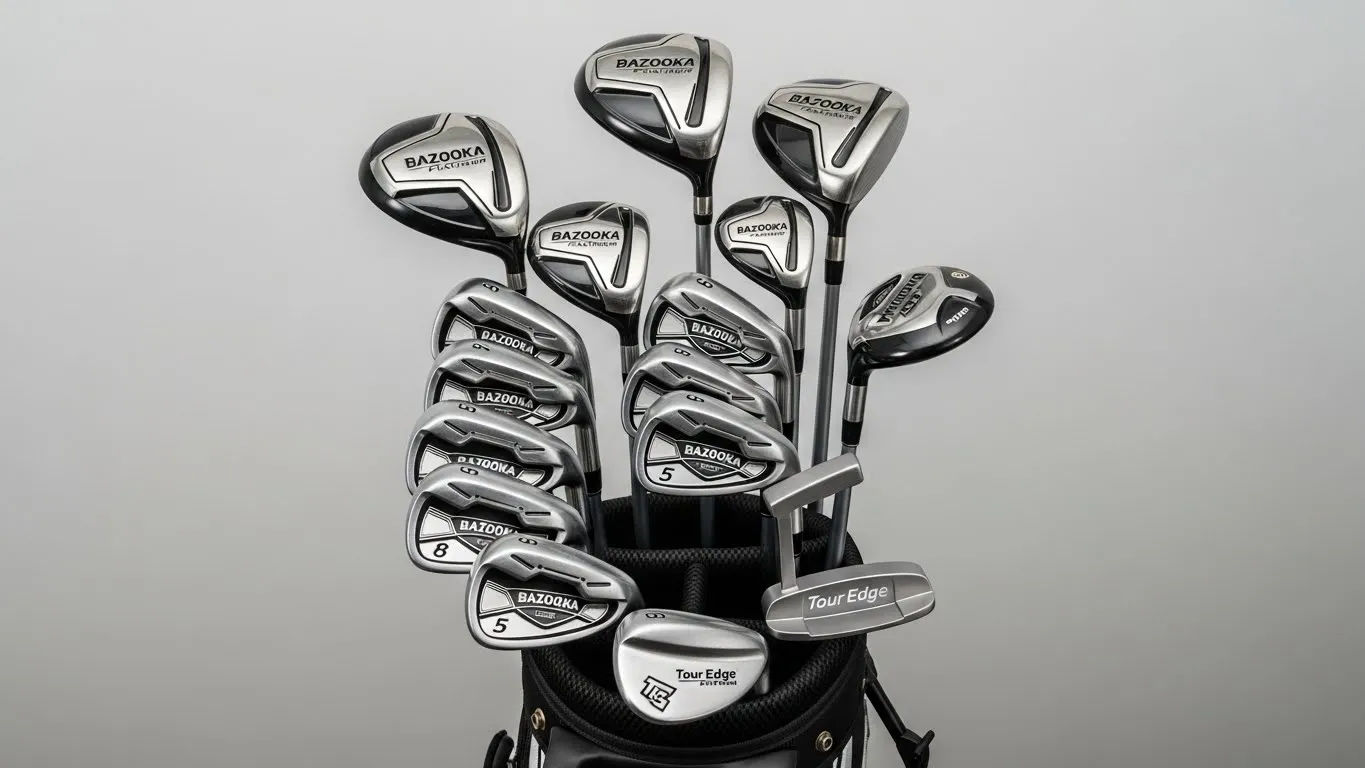
Alright, let’s cook up a real-world, no-BS lineup—the kind that gets you through 18 holes *and* a beer at the turn without excuses. Behold: the “Weekend Warrior Warrior” bundle (see table below). Total? $447 USD. And no, we didn’t sell a kidney.
| Club | Model | Price (USD) | Why It Fits best golf clubs on a budget |
|---|---|---|---|
| Driver | Tour Edge Hot Launch E523 (10.5°, R-Flex) | $149 | Adjustable loft, draw bias, *and* a 17,000 MOI rating—usually $230+ |
| 3-Hybrid | Wilson Launch Pad 2 | $79 | Offset crown reduces slices; hits like a fairway wood with iron control |
| 5–PW Irons | Callaway Supersoft Max (Graphite, R) | $299 (set) | Ultra-low CG, wide sole, *and* urethane microspheres for soft feel—used demo, Golf Galaxy |
| 54° SW | Cleveland CBX Full-Face | $89 | Rotex grooves, cavity back, 10° bounce—perfect for fluffy lies |
| Putter | Odyssey White Hot OG Double Wide (Refurb) | $59 | Microhinge insert, alignment wings, 90-day return—Callaway Pre-Owned |
| TOTAL | $447 | *Before* $25 rebate & free regrip promo | |
Now, swing into Met Golfer Digital for more gear deep dives, cruise over to our Equipment hub for head-to-head comparisons, or level up your short game with our breakdown on best golf wedges for high handicappers spin control. Trust us—your scorecard’ll thank ya.
FAQ: best golf clubs on a budget
What are good golf clubs for an average golfer?
For the average golfer (15–25 handicap), the best golf clubs on a budget combo includes game-improvement irons (like Wilson Launch Pad or Callaway Supersoft), a draw-biased driver (Tour Edge Hot Launch), 1–2 hybrids to replace long irons, a cavity-back sand wedge (Cleveland CBX), and a mallet putter (Odyssey White Hot OG). Prioritize forgiveness, consistent launch, and matched weighting over raw workability—because let’s be honest, *consistency* beats hero shots every time.
What does a decent set of golf clubs cost?
A *decent*, full, *new* set of best golf clubs on a budget runs $350–$550 USD—and yes, that includes driver, fairway/hybrid, irons (5–PW), SW, and putter. Pre-owned or demo sets can drop that to $250–$400. Avoid “starter sets” under $250 unless you’re truly testing the waters; thin faces, dead grooves, and mismatched flexes’ll frustrate more than help. Think of it like buying a used truck: you want *reliable miles*, not just low odometer.
What are the best golf clubs to start with?
Start simple: a driver (or 3-wood if intimidation’s real), one hybrid (4H), 7–9 irons, PW, SW, and a putter. That’s *eight clubs*—more than enough for your first 20 rounds. Focus on models labeled “max game improvement” or “ultra forgiveness”; they’ll launch higher, fly straighter, and forgive those “I was just trying to *find* the fairway” moments. Bonus: many best golf clubs on a budget lines sell half-sets or mix-and-match, so you scale up as your confidence grows.
What is the most important golf club to spend money on?
The putter—no contest. Why? Because it’s used 30–40% of the time, and poor roll quality or inconsistent alignment destroys confidence faster than a shank on the 1st tee. That said, you *don’t* need to drop $300. A $75–$120 refurbished mallet with a proven insert (like White Hot or Pure Roll) delivers 90% of the performance. For best golf clubs on a budget, allocate ~20% of your total spend here—then use the savings on *more lessons*, which’ll drop strokes faster than any club upgrade.
References
- https://www.golfdigest.com/story/golf-club-value-guide-2024
- https://www.mygolfspy.com/best-budget-golf-clubs/
- https://trackmangolf.com/data/budget-club-performance-metrics-2024
- https://www.arccosgolf.com/reports/shot-distribution-by-handicap